
2
0
Support the library.
Your support helps keep books free for everyone ❤️
📍 Noticed
Wooden Leg: A Warrior Who Fought Custer
by Wooden Leg
Sponsored
Synopsis
’All around, the Indians began jumping up, running forward, dodging down, jumping up again, down again, all the time going toward the soldiers.’
The story of Custer’s last battle is rarely told from the Native American perspective, despite the fact that there were no ...
The story of Custer’s last battle is rarely told from the Native American perspective, despite the fact that there were no ...
’All around, the Indians began jumping up, running forward, dodging down, jumping up again, down again, all the time going toward the soldiers.’
The story of Custer’s last battle is rarely told from the Native American perspective, despite the fact that there were no white survivors. Stories about the Battle of Little Bighorn are therefore often more myth than truth.
In 1922, Thomas B. Marquis decided to uncover the true story of Custer’s Last Stand by speaking to someone who had actually fought against him. For hour after hour Marquis spoke to Wooden Leg and pieced together the narrative of the battle.
Yet, Marquis’ studies cover much more than the final demise of Custer. Through his interviews with Wooden Leg, who was a young man at the time of Little Bighorn, he was able to uncover fascinating details about the everyday life of Cheyenne Indians and their practices.
Their hunting practices, their conflicts with the Crows, how they were given names, their religion, their marriage customs, and other details of their way of life are all covered.
As the relations between American soldiers and Native Americans grew more tense Wooden Leg and his Cheyenne people were drawn into conflict.
Wooden Leg provides a fascinating account of how the Native American tribes were drawn together in a loose alliance to repel the oppression to which they had been subjected.
Though the Native Americans won the battle, they certainly did not win the war. Wooden Leg’s account of the years after Little Bighorn demonstrates how many Native Americans struggled with life on the reservations and how they longed to be on the plains once again.
Wooden Leg’s memoirs interpreted by Thomas B. Marquis give a fascinating insight into Native American life in the late-nineteenth century.
“[A] deeply interesting story.” The New York Times
After entering a reservation Wooden Leg worked as a scout, messenger and sentry. He was part of the 1913 delegation sent to Washington to speak about the Cheyenne tribe. Later he became a judge on the reservation and died in 1940.
The story of Custer’s last battle is rarely told from the Native American perspective, despite the fact that there were no white survivors. Stories about the Battle of Little Bighorn are therefore often more myth than truth.
In 1922, Thomas B. Marquis decided to uncover the true story of Custer’s Last Stand by speaking to someone who had actually fought against him. For hour after hour Marquis spoke to Wooden Leg and pieced together the narrative of the battle.
Yet, Marquis’ studies cover much more than the final demise of Custer. Through his interviews with Wooden Leg, who was a young man at the time of Little Bighorn, he was able to uncover fascinating details about the everyday life of Cheyenne Indians and their practices.
Their hunting practices, their conflicts with the Crows, how they were given names, their religion, their marriage customs, and other details of their way of life are all covered.
As the relations between American soldiers and Native Americans grew more tense Wooden Leg and his Cheyenne people were drawn into conflict.
Wooden Leg provides a fascinating account of how the Native American tribes were drawn together in a loose alliance to repel the oppression to which they had been subjected.
Though the Native Americans won the battle, they certainly did not win the war. Wooden Leg’s account of the years after Little Bighorn demonstrates how many Native Americans struggled with life on the reservations and how they longed to be on the plains once again.
Wooden Leg’s memoirs interpreted by Thomas B. Marquis give a fascinating insight into Native American life in the late-nineteenth century.
“[A] deeply interesting story.” The New York Times
After entering a reservation Wooden Leg worked as a scout, messenger and sentry. He was part of the 1913 delegation sent to Washington to speak about the Cheyenne tribe. Later he became a judge on the reservation and died in 1940.
You May Also Like

Inside, Outside, Upside Down
Stan Berenstain

Of Flames and Fallacies (The Arterian series)
Courtney Whims

In Her Skin
Alex Kiester

The Customer is Always Wrong: The Retail Chronicles
Jeff Martin
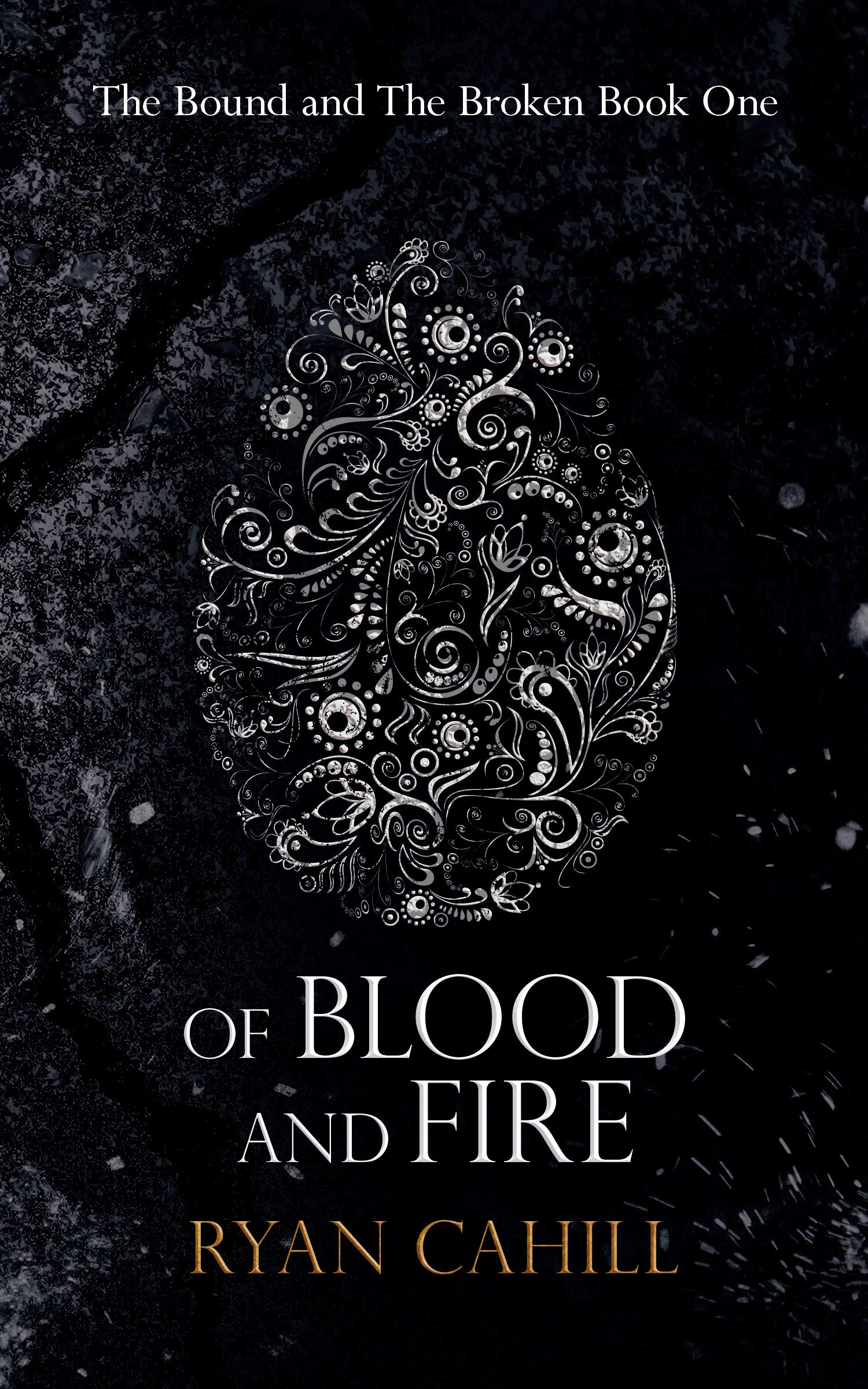
Of Blood And Fire (The Bound and The Broken Book 1)
Ryan Cahill

Sir Snoozington and the Missing Bedtime Bell: A Funny Bedtime Story for Kids Ages 6–8
A. S. Brightfield
Cookbooks Picks
View All
Together: Memorable Meals Made Easy
Jamie Oliver

Food to Die For: Recipes and Stories from America's Most Legendary Haunted Places
Amy Bruni

So Easy So Good: Delicious Recipes and Expert Tips for Balanced Eating
Kylie Sakaida

Enough Already: Learning to Love the Way I Am Today
Valerie Bertinelli

Keep It Simple, Y'all: Easy Dinners from Your Barefoot Neighbor: A Cookbook
Matthew Bounds

We Are What We Eat: A Slow Food Manifesto
Alice Waters
