1
0
Support the library.
Your support helps keep books free for everyone ❤️
📍 Noticed
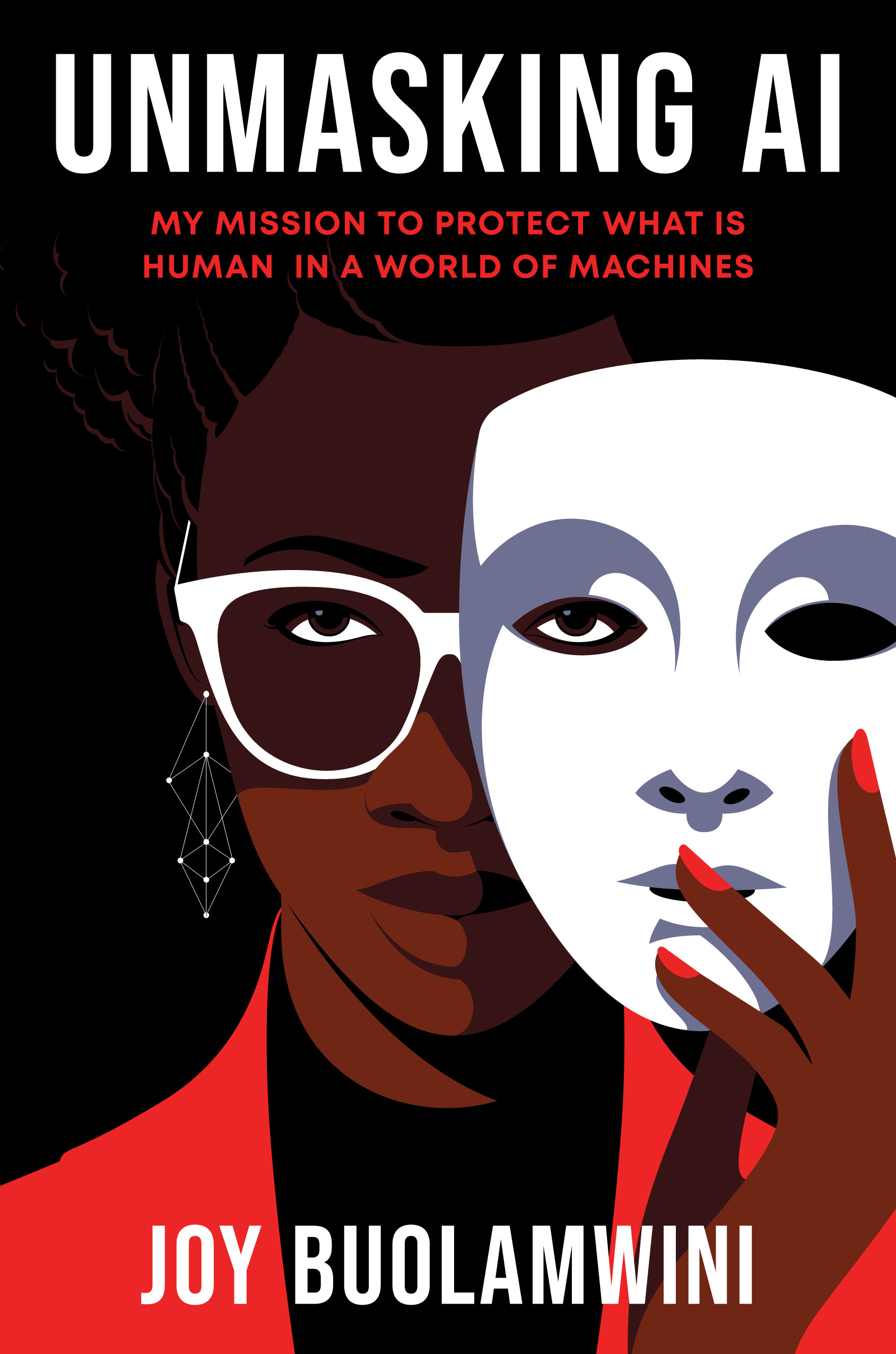
Unmasking AI: My Mission to Protect What Is Human in a World of Machines
by Joy Buolamwini
Sponsored
Synopsis
“The conscience of the AI revolution” (Fortune) explains how we’ve arrived at an era of AI harms and oppression, and what we can do to avoid its pitfalls.“Dr. Joy Buolamwini has been an essential figure in bringing irresponsible, profit-hungry tech giants to their knees. If ...
“The conscience of the AI revolution” (Fortune) explains how we’ve arrived at an era of AI harms and oppression, and what we can do to avoid its pitfalls.
“Dr. Joy Buolamwini has been an essential figure in bringing irresponsible, profit-hungry tech giants to their knees. If you’re going to read only one book about AI, this should be it.”—Darren Walker, president of the Ford Foundation
To most of us, it seems like recent developments in artificial intelligence emerged out of nowhere to pose unprecedented threats to humankind. But to Dr. Joy Buolamwini, who has been at the forefront of AI research, this moment has been a long time in the making.
After tinkering with robotics as a high school student in Memphis and then developing mobile apps in Zambia as a Fulbright fellow, Buolamwini followed her lifelong passion for computer science, engineering, and art to MIT in 2015. As a graduate student at the “Future Factory,” she did groundbreaking research that exposed widespread racial and gender bias in AI services from tech giants across the world.
Unmasking AI goes beyond the headlines about existential risks produced by Big Tech. It is the remarkable story of how Buolamwini uncovered what she calls “the coded gaze”—the evidence of encoded discrimination and exclusion in tech products—and how she galvanized the movement to prevent AI harms by founding the Algorithmic Justice League. Applying an intersectional lens to both the tech industry and the research sector, she shows how racism, sexism, colorism, and ableism can overlap and render broad swaths of humanity “excoded” and therefore vulnerable in a world rapidly adopting AI tools. Computers, she reminds us, are reflections of both the aspirations and the limitations of the people who create them.
Encouraging experts and non-experts alike to join this fight, Buolamwini writes, “The rising frontier for civil rights will require algorithmic justice. AI should be for the people and by the people, not just the privileged few.”
“Dr. Joy Buolamwini has been an essential figure in bringing irresponsible, profit-hungry tech giants to their knees. If you’re going to read only one book about AI, this should be it.”—Darren Walker, president of the Ford Foundation
To most of us, it seems like recent developments in artificial intelligence emerged out of nowhere to pose unprecedented threats to humankind. But to Dr. Joy Buolamwini, who has been at the forefront of AI research, this moment has been a long time in the making.
After tinkering with robotics as a high school student in Memphis and then developing mobile apps in Zambia as a Fulbright fellow, Buolamwini followed her lifelong passion for computer science, engineering, and art to MIT in 2015. As a graduate student at the “Future Factory,” she did groundbreaking research that exposed widespread racial and gender bias in AI services from tech giants across the world.
Unmasking AI goes beyond the headlines about existential risks produced by Big Tech. It is the remarkable story of how Buolamwini uncovered what she calls “the coded gaze”—the evidence of encoded discrimination and exclusion in tech products—and how she galvanized the movement to prevent AI harms by founding the Algorithmic Justice League. Applying an intersectional lens to both the tech industry and the research sector, she shows how racism, sexism, colorism, and ableism can overlap and render broad swaths of humanity “excoded” and therefore vulnerable in a world rapidly adopting AI tools. Computers, she reminds us, are reflections of both the aspirations and the limitations of the people who create them.
Encouraging experts and non-experts alike to join this fight, Buolamwini writes, “The rising frontier for civil rights will require algorithmic justice. AI should be for the people and by the people, not just the privileged few.”
You May Also Like

Fade Up From Black: The Return of Harry James Denton (Harry James Denton, #9)
Steven Womack
Monkey King's Adventure in America
Sui Duan

The Demon Sword Master of Excalibur Academy, Volume 5
Yu Shimizu

Biography of X
Catherine Lacey

Mine to Keep (Pine Ridge Pack #2)
Jayda Marx

Creative Haven Country Scenes Color by Number Coloring Book (Adult Coloring Books: In The Country)
George Toufexis
Self Help Picks
View All
Building a Second Brain: A Proven Method to Organize Your Digital Life and Unlock Your Creative Potential
Tiago Forte

Succede sempre qualcosa di meraviglioso
Gianluca Gotto

Meditations for Mortals: Four Weeks to Embrace Your Limitations and Make Time for What Counts
Oliver Burkeman

The Creative Act: A Way of Being
Rick Rubin

A Gentle Reminder
Bianca Sparacino

Glucose Revolution: The Life-Changing Power of Balancing Your Blood Sugar
Jessie Inchauspé
