5
0
Support the library.
Your support helps keep books free for everyone ❤️
📍 Noticed
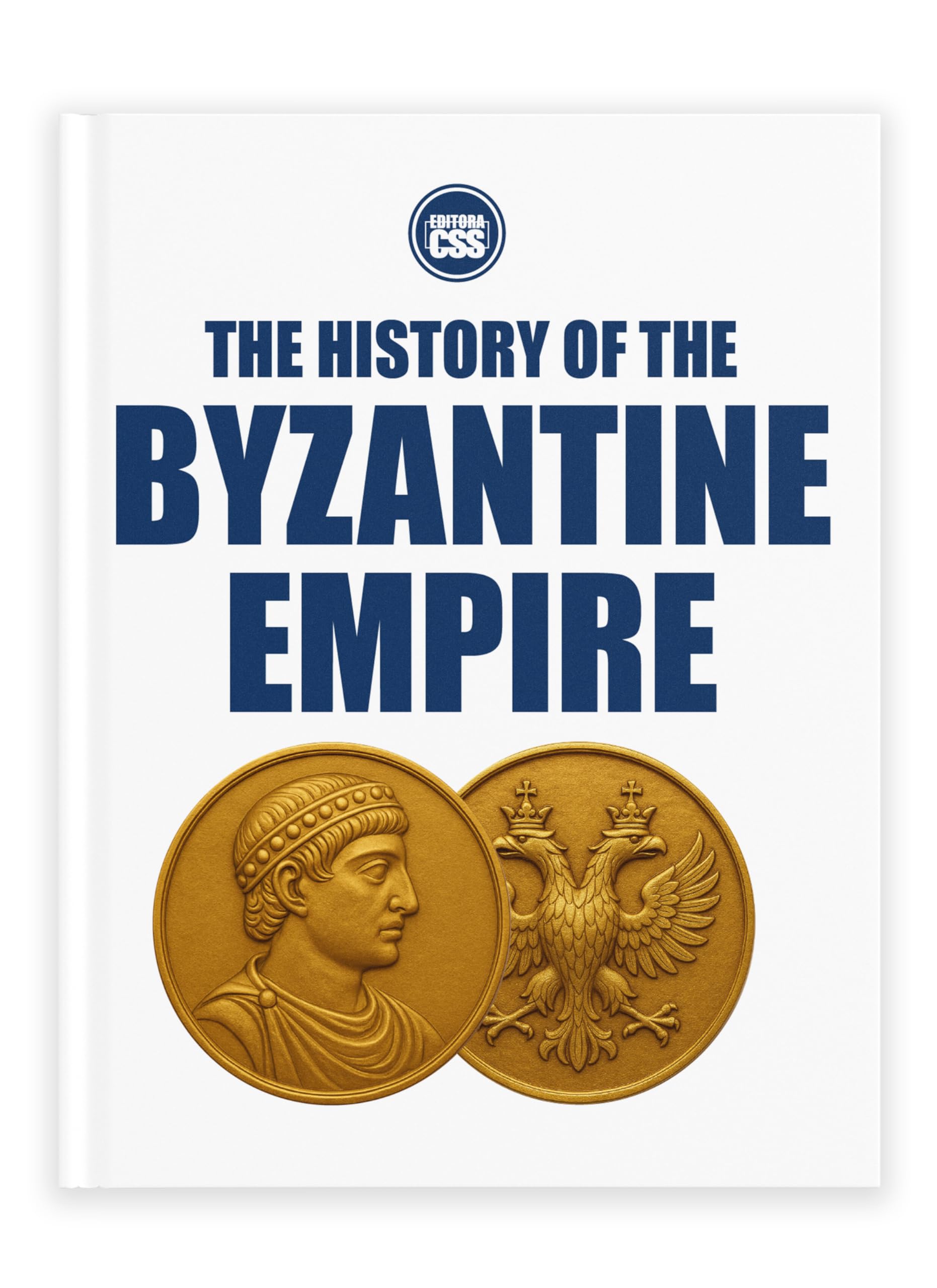
THE HISTORY OF THE BYZANTINE EMPIRE - Rome Reborn, Empire Transformed (THE HISTORY OF THE MEDIEVAL WORLD - Empire, Faith, War, and Power Book 3)
by CSS Editora Civis Studio Sapientia
Sponsored
Synopsis
📘 THE HISTORY OF THE BYZANTINE EMPIRE
Rome Reborn, Empire Transformed
A sweeping journey through the thousand-year empire that carried Rome into a new age. From the founding of Constantinople in 330 to its fall in 1453, Byzantium shaped faith, trade, diplomacy, and political imagination. The ...
Rome Reborn, Empire Transformed
A sweeping journey through the thousand-year empire that carried Rome into a new age. From the founding of Constantinople in 330 to its fall in 1453, Byzantium shaped faith, trade, diplomacy, and political imagination. The ...
📘 THE HISTORY OF THE BYZANTINE EMPIRE
Rome Reborn, Empire Transformed
A sweeping journey through the thousand-year empire that carried Rome into a new age. From the founding of Constantinople in 330 to its fall in 1453, Byzantium shaped faith, trade, diplomacy, and political imagination. The book follows its full arc — from Roman roots and Christianization to golden ages, crises, and a legacy that still echoes across East and West.
PART I – The Roman Legacy and the Birth of Byzantium (330–610)
Enter New Rome: Constantine’s refounding of the capital, the Eastern provinces, and the transformation of Roman identity under a Christian emperor. Follow Theodosius I and the making of a Christian empire, the fall of the West, and the diplomacy that kept the East alive. Discover Justinian’s age: reconquests in Africa and Italy, the building of Hagia Sophia, the codification of Roman law, and the plague that exposed the limits of imperial ambition.
PART II – Survival, Crisis, and Transformation (610–867)
Meet Heraclius as he faces the Sassanid invasion and then the sudden rise of Islam, which tears away Syria, Egypt, and much of the empire’s wealth. Explore the “first Byzantine dark age”: shrinking frontiers, new military themes, economic strain, and sieges that test Constantinople’s walls. Unfold the drama of Iconoclasm — emperors, monks, councils, and the restoration of images in 843 — and see how religious conflict helped forge Orthodox identity. This section closes with the early Macedonian renaissance in law, administration, literacy, and art.
PART III – Empire of Gold: The Macedonian and Komnenian World (867–1204)
Witness Byzantium at its zenith. Follow Basil II “the Bulgar-Slayer,” victories in the Balkans, and a diplomacy that balances Rus’, Armenians, and Georgians. Walk through Constantinople at its height as the Mediterranean marketplace of silk, gold, and contracts, where Italian merchants gain growing privileges. Then accompany the Komnenoi as they rebuild armies, bargain with Crusader princes, and navigate a crowded field of Normans, Turks, and Western knights — while tensions with Latin Christendom slowly deepen.
PART IV – The Great Catastrophe: 1204 and the Latin Conquest
Relive the shock of the Fourth Crusade: Venetian strategy, the diversion to Zara, and the brutal sack of Constantinople in 1204 — a wound that forever alters relations between East and West. Follow the story into exile as Nicaea, Trebizond, and Epirus compete to preserve imperial legitimacy, culture, and territory, setting the stage for the eventual recovery of the capital.
PART V – Restoration and Fall (1261–1453)
See Michael VIII recapture Constantinople and attempt to restore a shrunken empire, even as new threats multiply. Watch the Palaiologan rulers struggle with Ottoman expansion, Serbian and Bulgarian rivals, Italian economic dominance, and civil wars. The narrative builds toward the last defense of Constantinople, the final siege led by Mehmed II, and the end of the Roman imperial line in 1453.
PART VI – The Legacy of Byzantium
Discover how Byzantium shaped Orthodox theology, icons, hymnography, and monastic spirituality. Trace the role of Greek scholars and manuscripts in fueling the Italian Renaissance and classical learning in the West. Finally, explore Byzantium’s “afterlife” — in Russian visions of the Third Rome, in Ottoman continuities, in modern politics, and in the changing interpretations of historians from the 19th century to today.
A definitive, crafted narrative for readers who seek depth, clarity, and the full story of an empire that guarded the treasures of Rome, transformed Christianity, and shaped worlds long after its fall.
You May Also Like

Remarkably Bright Creatures
Shelby Van Pelt

American Hagwon
Min Jin Lee
One True Way
Shannon Hitchcock

Labor and Monopoly Capital: The Degradation of Work in the Twentieth Century
Harry Braverman

The Prettiest Girl in the Grave
Kristopher Triana

The Garden: A Spiritual Fable About Ways to Overcome Fear, Anxiety, and Stress
Jon Gordon
Cookbooks Picks
View All
Pantry on the Homestead
Katherine Umbarger

How To Make The Best Coffee At Home
James Hoffmann

Go-To Dinners: A Barefoot Contessa Cookbook
Ina Garten

Keep It Simple, Y'all: Easy Dinners from Your Barefoot Neighbor: A Cookbook
Matthew Bounds

Of Course It’s Good!: Aggressively Delicious Meals ANYONE Can Make and EVERYONE Will Love
Jessica Secrest
A Thousand Feasts: Small Moments of Joy… A Memoir of Sorts
Nigel Slater
