
1
0
❤️ Support Me
Choose menu to support
📍 Noticed
The Curse of Empire: Ukraine, Poland, and the Fatal Paths in Russian History
by Martin Schulze Wessel
Sponsored
Synopsis
Russia's attack on Ukraine marks an epochal break in European and global history. Undoubtedly, the decision to go to war is closely linked to one person, Vladimir Putin, but Russia's war is not driven solely by one man's power calculations. We can only make sense of Russia's actions in Ukraine, ...
Russia's attack on Ukraine marks an epochal break in European and global history. Undoubtedly, the decision to go to war is closely linked to one person, Vladimir Putin, but Russia's war is not driven solely by one man's power calculations. We can only make sense of Russia's actions in Ukraine, argues the distinguished historian Martin Schulze Wessel, by putting them in the broader context of the history of Russian imperialism and the influence it continues to exert today.
Schulze Wessel argues that Russian imperialism was shaped by Russia's relationship to Poland and Ukraine. These states were absorbed or partitioned by Russia in the eighteenth century, but Russia's rule over them was contested both by the Poles and by the Ukrainians. The entangled history of these three states produced path dependencies whose impact is still felt toda. Poland and Ukraine share a common history characterized by Russian domination and Polish and Ukrainian resistance to it; just as the Polish question challenged the Russian Empire in previous centuries, so too does the Ukrainian question today. Schulze Wessel argues that, as a result of Russia's confrontation with the Polish and Ukrainian questions, Russia's national identity merged with imperial claims in ways that were pernicious and consequential – the curse of empire.
By placing the war in Ukraine in the context of an era of Russian imperialism that spans three centuries, this book sheds new light on one of the bloodiest and most destructive conflicts of our time.
Schulze Wessel argues that Russian imperialism was shaped by Russia's relationship to Poland and Ukraine. These states were absorbed or partitioned by Russia in the eighteenth century, but Russia's rule over them was contested both by the Poles and by the Ukrainians. The entangled history of these three states produced path dependencies whose impact is still felt toda. Poland and Ukraine share a common history characterized by Russian domination and Polish and Ukrainian resistance to it; just as the Polish question challenged the Russian Empire in previous centuries, so too does the Ukrainian question today. Schulze Wessel argues that, as a result of Russia's confrontation with the Polish and Ukrainian questions, Russia's national identity merged with imperial claims in ways that were pernicious and consequential – the curse of empire.
By placing the war in Ukraine in the context of an era of Russian imperialism that spans three centuries, this book sheds new light on one of the bloodiest and most destructive conflicts of our time.
You May Also Like

Twisted Secrets: A sizzling angsty Indian Romance (Forbidden Book 2)
TARA
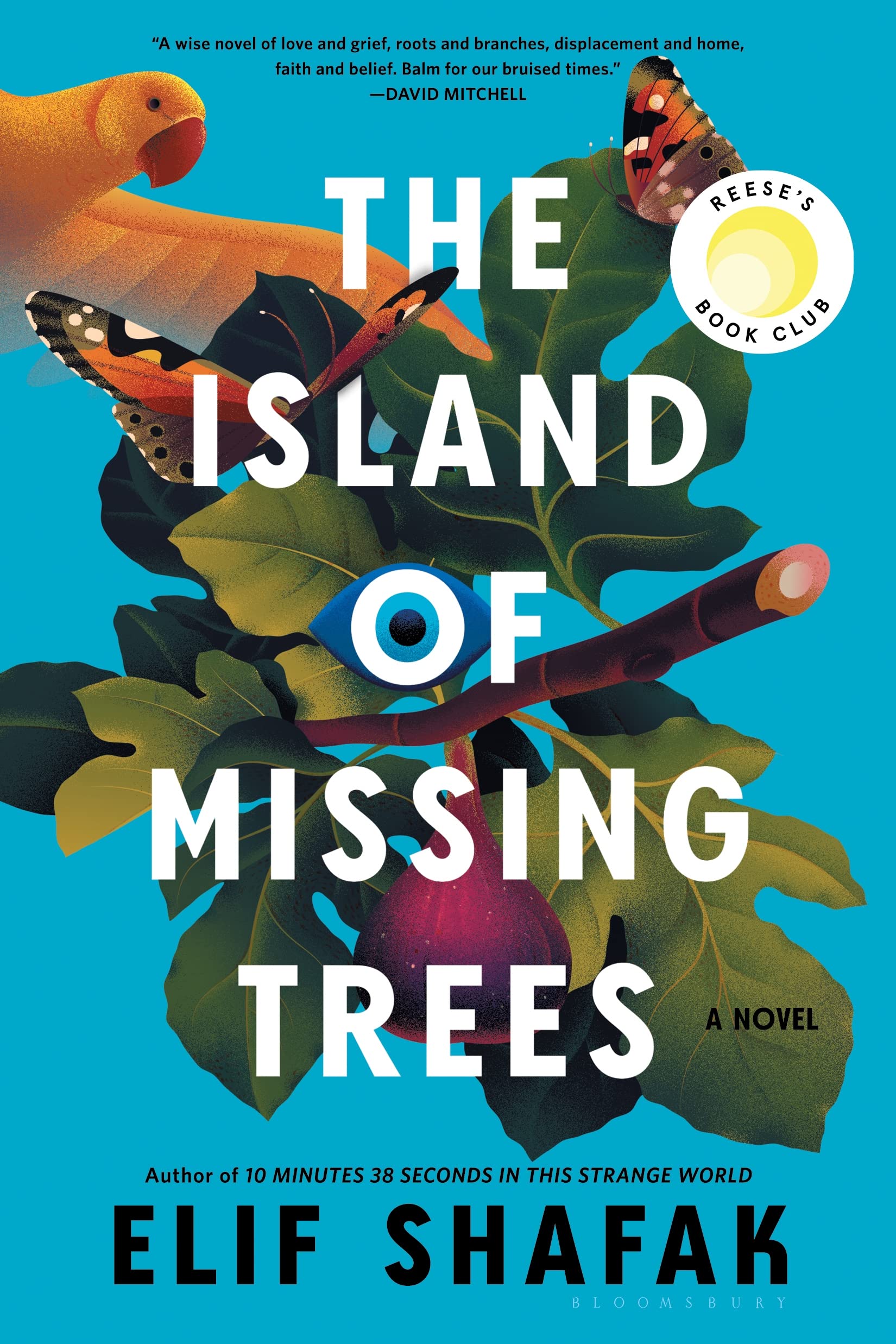
The Island of Missing Trees: A Novel
Elif Shafak

Bow Before the Elf Queen
J.M. Kearl

Christ and the Maya Calendar: 2012 and the Coming of the Antichrist
Kevin Dann

El hombre en busca de sentido (Spanish Edition)
Viktor E. Frankl
Our Mathematical Universe: My Quest for the Ultimate Nature of Reality
Max Tegmark


Philosophy Picks
View All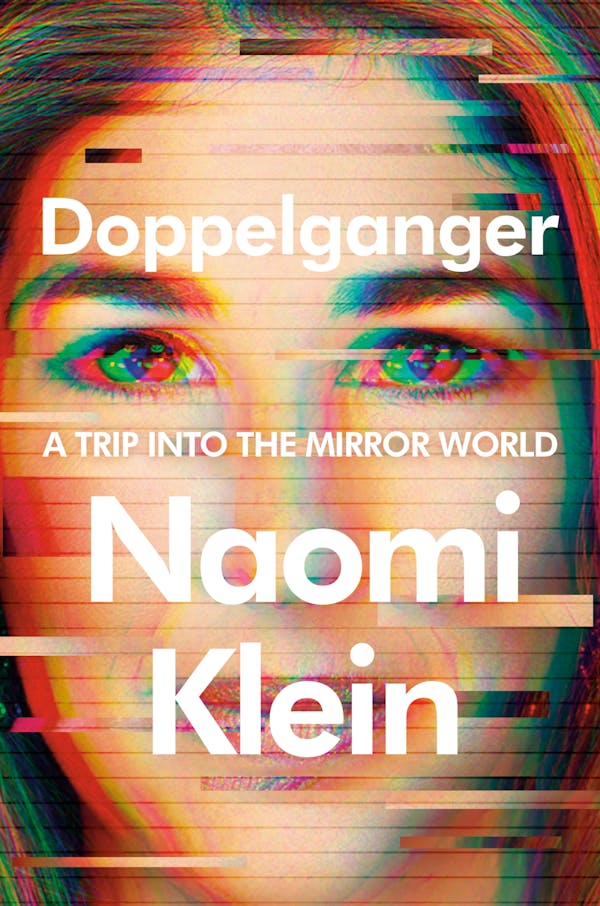
Doppelganger: A Trip into the Mirror World
Naomi Klein

Clear Thinking: Turning Ordinary Moments into Extraordinary Results
Shane Parrish

The Creative Act: A Way of Being
Rick Rubin

Don't Believe Everything You Think
Joseph Nguyen

The Coming Wave: Technology, Power, and the Twenty-first Century's Greatest Dilemma
Mustafa Suleyman

Never Finished: Unshackle Your Mind and Win the War Within
David Goggins
