3
0
Support the library.
Your support helps keep books free for everyone ❤️
📍 Noticed
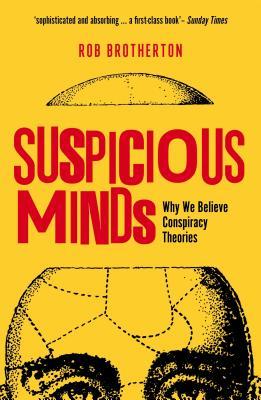
Suspicious Minds: Why We Believe Conspiracy Theories
by Rob Brotherton
Sponsored
Synopsis
Decoding the psychology of believing in conspiracy theories. We're all conspiracy theorists--some of us just hide it better than others.Conspiracy theorists aren't just a handful of people who wear tin-foil hats and have bizarre ideas about shape-shifting reptilian aliens. Conspiracy ...
Decoding the psychology of believing in conspiracy theories. We're all conspiracy theorists--some of us just hide it better than others.
Conspiracy theorists aren't just a handful of people who wear tin-foil hats and have bizarre ideas about shape-shifting reptilian aliens. Conspiracy theories are as likely to appeal to women as to men, college students as to retired professors, middle-class bloggers as to blue-collar workers.
Psychological research sheds light on why some people are more drawn to conspiracy thinking, especially when they feel discontented, distrustful, and desire privileged knowledge. But ultimately we are all natural-born conspiracy theorists. Our brains are wired to see patterns and to weave unrelated data points into complex stories. We instinctively see events in the world in terms of human motives and intentions, leading us to discount the role of chance and unintended consequences, and we look for some hidden hand behind catastrophic events. These psychological quirks can lead us to suspect a conspiracy where none exists.
Conspiracy theories have existed throughout history, from ancient Athens and Rome to present day theories about 9/11 and who shot JFK. Suspicious Minds explores the phenomenon and reveals the important consequences conspiracy theories can have--from discouraging parents from vaccinating their children against deadly diseases to hampering political policies to combat climate change.
Conspiracy theorists aren't just a handful of people who wear tin-foil hats and have bizarre ideas about shape-shifting reptilian aliens. Conspiracy theories are as likely to appeal to women as to men, college students as to retired professors, middle-class bloggers as to blue-collar workers.
Psychological research sheds light on why some people are more drawn to conspiracy thinking, especially when they feel discontented, distrustful, and desire privileged knowledge. But ultimately we are all natural-born conspiracy theorists. Our brains are wired to see patterns and to weave unrelated data points into complex stories. We instinctively see events in the world in terms of human motives and intentions, leading us to discount the role of chance and unintended consequences, and we look for some hidden hand behind catastrophic events. These psychological quirks can lead us to suspect a conspiracy where none exists.
Conspiracy theories have existed throughout history, from ancient Athens and Rome to present day theories about 9/11 and who shot JFK. Suspicious Minds explores the phenomenon and reveals the important consequences conspiracy theories can have--from discouraging parents from vaccinating their children against deadly diseases to hampering political policies to combat climate change.
You May Also Like

The Spa Break: The brand-new hilarious rom-com, perfect for a summer read in 2025
Hannah Doyle

Seven Rivers: A Journey Through the Currents of Human History
Vanessa Taylor

Read Between the Lines (Ms. Right, #1)
Rachel Lacey

Keep It in the Dark
Justin Arnold

The Ultimate Sewing Machine Reference Handbook: Your Go-To DIY Guide for Maintenance, Repair, and Creative Techniques to Unlock the Full Potential of Any Sewing Machine
Calvin A. Cooper

The Mistletoe Springs Matchmaker: A Small Town Christmas Romance (Sweet Romance Bites Book 2)
Kayla Flynn