
0
0
Support keeps this going.
If you find value here, a small tip makes a big difference ❤️
📍 Noticed
So Very Small: How Humans Discovered the Microcosmos, Defeated Germs--and May Still Lose the War Against Infectious Disease
by Thomas Levenson
Sponsored
Synopsis
“An elegant, wide-ranging history” (The New York Review of Books) of the centuries-long quest to discover the critical role of germs in disease thatreveals as much about human reasoning—and the pitfalls of ego—as it does about microbes.
“Levenson takes readers through an entertaining . . ...
“Levenson takes readers through an entertaining . . ...
“An elegant, wide-ranging history” (The New York Review of Books) of the centuries-long quest to discover the critical role of germs in disease thatreveals as much about human reasoning—and the pitfalls of ego—as it does about microbes.
“Levenson takes readers through an entertaining . . . journey of missed opportunities in microbiology and the eventual advances that arose in this field.”—Science
Scientists and enthusiastic amateurs first confirmed the existence of living things invisible to the human eye in the late seventeenth century. So why did it take two centuries to connect microbes to disease? As late as the Civil War in the 1860s, most soldiers who perished died not on the battlefield but of infected wounds, typhoid, and other diseases. Twenty years later, the outcome might have been different, following one of the most radical intellectual transformations in history: germ theory, the recognition that the tiniest forms of life have been humankind’s greatest killers. It was a discovery centuries in the making, and it transformed modern life and public health.
As Thomas Levenson reveals in this globe-spanning history, it has everything to do with how we see ourselves. For centuries, people in the West, believing themselves to hold God-given dominion over nature, thought too much of humanity and too little of microbes to believe they could take us down. When nineteenth-century scientists finally made the connection, life-saving methods to control infections and contain outbreaks soon followed. The next big break came with the birth of the antibiotic era in the 1930s. And yet, less than a century later, the promise of the antibiotic revolution is already receding due to years of overuse. Is our self-confidence getting the better of us again?
So Very Small follows the thread of human ingenuity and hubris across centuries—along the way peering into microscopes, spelunking down sewers, visiting army hospitals, traipsing across sheep fields, and more—to show how we came to understand the microbial environment and how little we understand ourselves. Levenson traces how and why ideas are pursued, accepted, or ignored—and hence how human habits of mind can, so often, make it terribly hard to ask the right questions.
You May Also Like

No Lessons Learned: The Making of Curb Your Enthusiasm as Told by Larry David and the Cast and Crew
HBO

De schaatser: in gesprek met Ireen Wust, Michel Mulder, Sven Kramer, Stefan Groothuis, Annette Gerritsen, Jan Smeekens, Bob de Jong en Mark Tuitert (Dutch Edition)
Nando Boers

Kanikosen: El pesquero
Takiji Kobayashi

The Secret Diaries of Miss Miranda Cheever
Julia Quinn
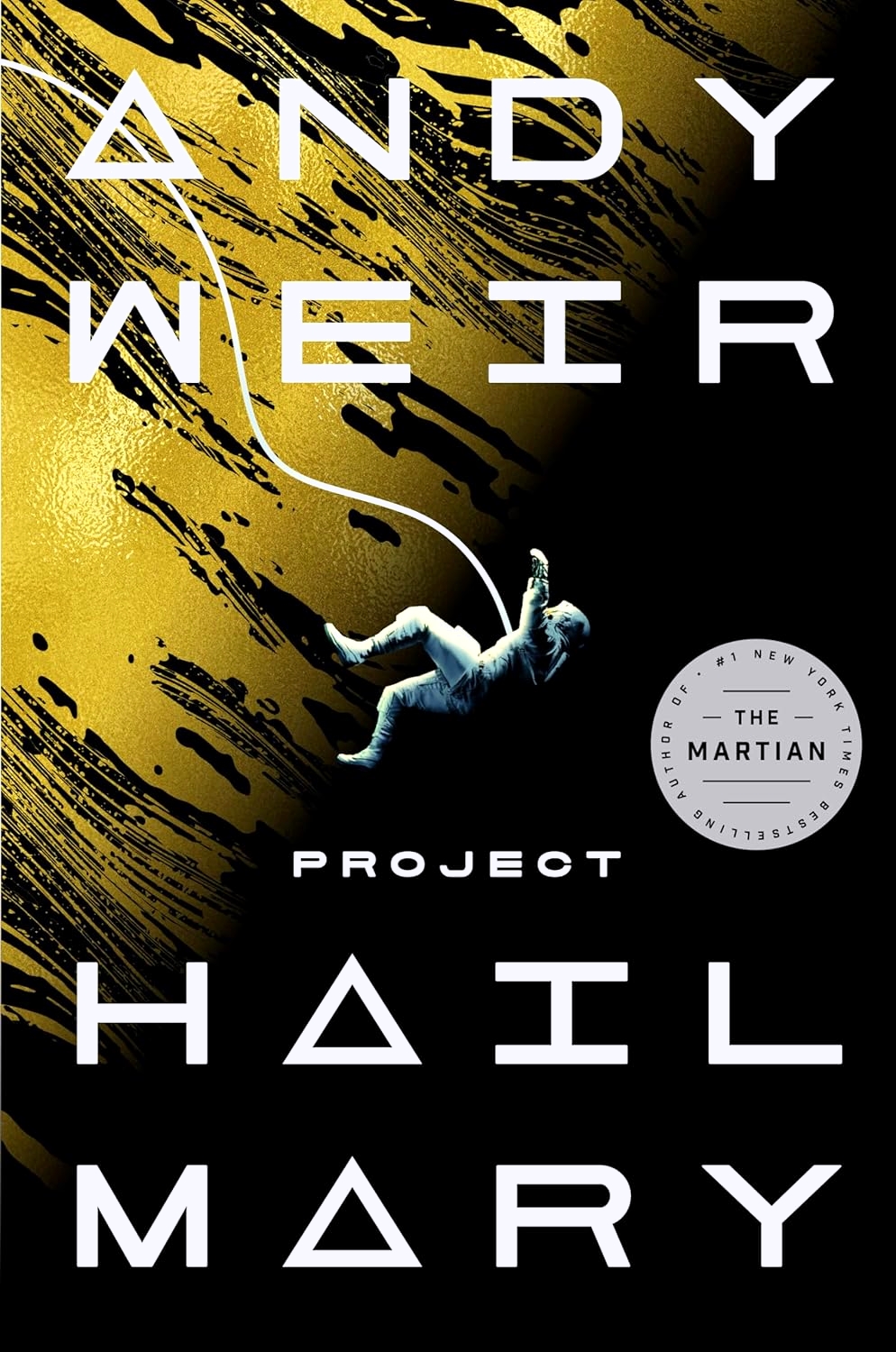
Project Hail Mary
Andy Weir

Granted Wishes
Tanya Vought


Cookbooks Picks
View All
Love Your Gut: Supercharge Your Digestive Health and Transform Your Well-Being from the Inside Out
Megan Rossi

Bite by Bite: Nourishments and Jamborees
Aimee Nezhukumatathil

Baking Yesteryear: The Best Recipes from the 1900s to the 1980s
B. Dylan Hollis

How To Make The Best Coffee At Home
James Hoffmann

Not That Fancy: Simple Lessons on Living, Loving, Eating, and Dusting Off Your Boots (Includes Behind-the-Scenes Stories, Photos, Recipes, and Lifestyle Tips) – The Perfect Gift for Reba Fans
Reba McEntire

Texture Over Taste
Joshua Weissman
