
3
0
Support the library.
Your support helps keep books free for everyone ❤️
📍 Noticed
Python for Finance: Apply powerful finance models and quantitative analysis with Python, 2nd Edition
by Yuxing Yan
Sponsored
Synopsis
Learn and implement various Quantitative Finance concepts using the popular Python libraries
Key Features:
Understand the fundamentals of Python data structures and work with time-series data
Implement key concepts in quantitative finance using popular Python libraries such as NumPy, SciPy, and ...
Key Features:
Understand the fundamentals of Python data structures and work with time-series data
Implement key concepts in quantitative finance using popular Python libraries such as NumPy, SciPy, and ...
Learn and implement various Quantitative Finance concepts using the popular Python libraries
Key Features:
Understand the fundamentals of Python data structures and work with time-series data
Implement key concepts in quantitative finance using popular Python libraries such as NumPy, SciPy, and matplotlib
A step-by-step tutorial packed with many Python programs that will help you learn how to apply Python to finance
Book Description:
This book uses Python as its computational tool. Since Python is free, any school or
organization can download and use it.
This book is organized according to various finance subjects. In other words, the first edition focuses more on Python, while the second edition is truly trying to apply Python to finance.
The book starts by explaining topics exclusively related to Python. Then we deal with critical parts of Python, explaining concepts such as time value of money stock and bond evaluations, capital asset pricing model, multi-factor models, time series analysis, portfolio theory,
options and futures.
This book will help us to learn or review the basics of quantitative finance and apply Python to solve various problems, such as estimating IBM's market risk,
running a Fama-French 3-factor, 5-factor, or Fama-French-Carhart 4 factor model, estimating the VaR of a 5-stock portfolio, estimating the optimal portfolio, and constructing the efficient frontier for a 20-stock portfolio with real-world stock, and with Monte Carlo Simulation. Later, we will also learn how to replicate the famous Black-Scholes-Merton option model and how to price exotic options such as the average price call option.
What You Will Learn:
Become acquainted with Python in the first two chapters
Run CAPM, Fama-French 3-factor, and Fama-French-Carhart 4-factor models
Learn how to price a call, put, and several exotic options
Understand Monte Carlo simulation, how to write a Python program to replicate the Black-Scholes-Merton options model, and how to price a few exotic options
Understand the concept of volatility and how to test the hypothesis that volatility changes over the years
Understand the ARCH and GARCH processes and how to write related Python programs
Who this book is for:
This book assumes that the readers have some basic knowledge related to Python. However, he/she has no knowledge of quantitative finance. In addition, he/she has no knowledge about financial data.
You May Also Like

After the Bite (Argeneau #35)
Lynsay Sands
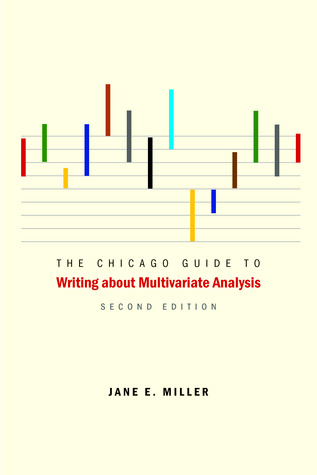
The Chicago Guide to Writing About Multivariate Analysis
Jane E. Miller
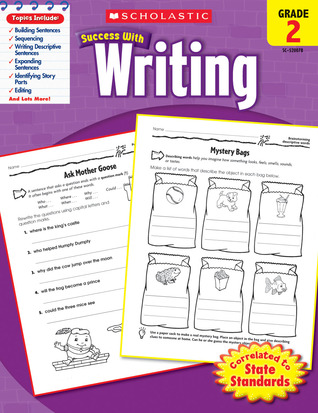
Scholastic Success with Writing: Grade 2
Scholastic Inc.

Kingdom of Today (Book of Arden 2)
Gena Showalter

A Wrinkle in Time
Madeleine L'Engle

The Reincarnated Princess Spends Another Day Skipping Story Routes: Volume 10
Bisu
Self Help Picks
View All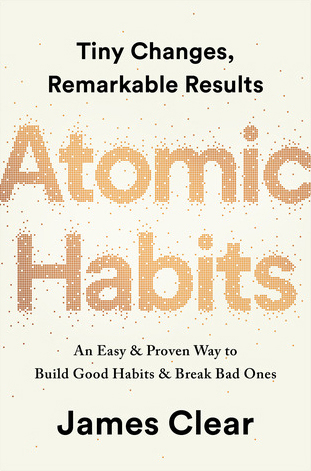
Atomic Habits: An Easy & Proven Way to Build Good Habits & Break Bad Ones
James Clear

Stop, in the Name of God: Why Honoring the Sabbath Will Transform Your Life
Charlie Kirk

The Boy, The Mole, The Fox and The Horse - The Animated Story
Charlie Mackesy

How to Keep House While Drowning
K.C. Davis
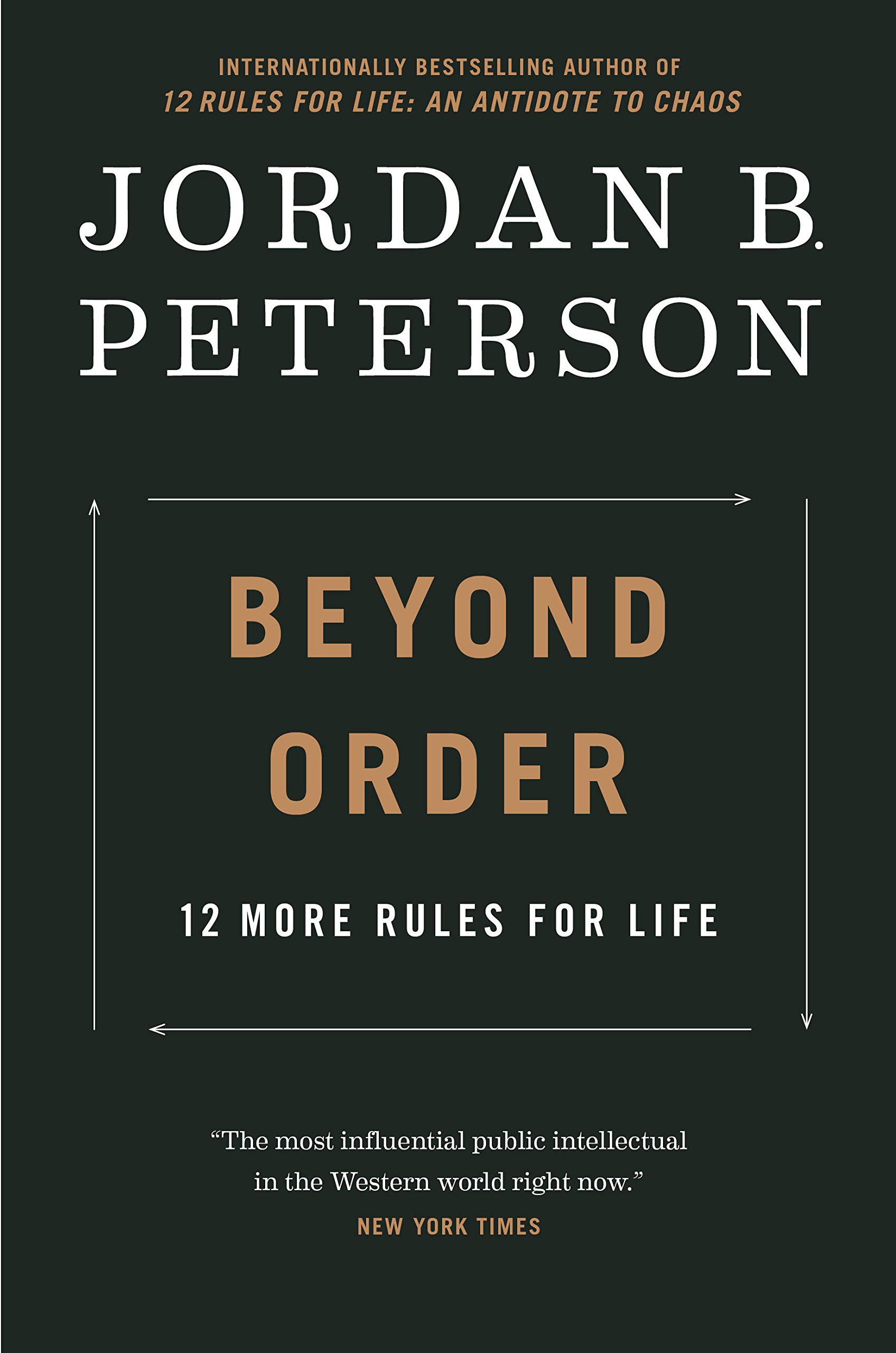
Beyond Order: 12 More Rules For Life
Jordan B. Peterson

The Power of Habit: Why We Do What We Do in Life and Business
Charles Duhigg
