3
0
Support the library.
Your support helps keep books free for everyone ❤️
📍 Noticed
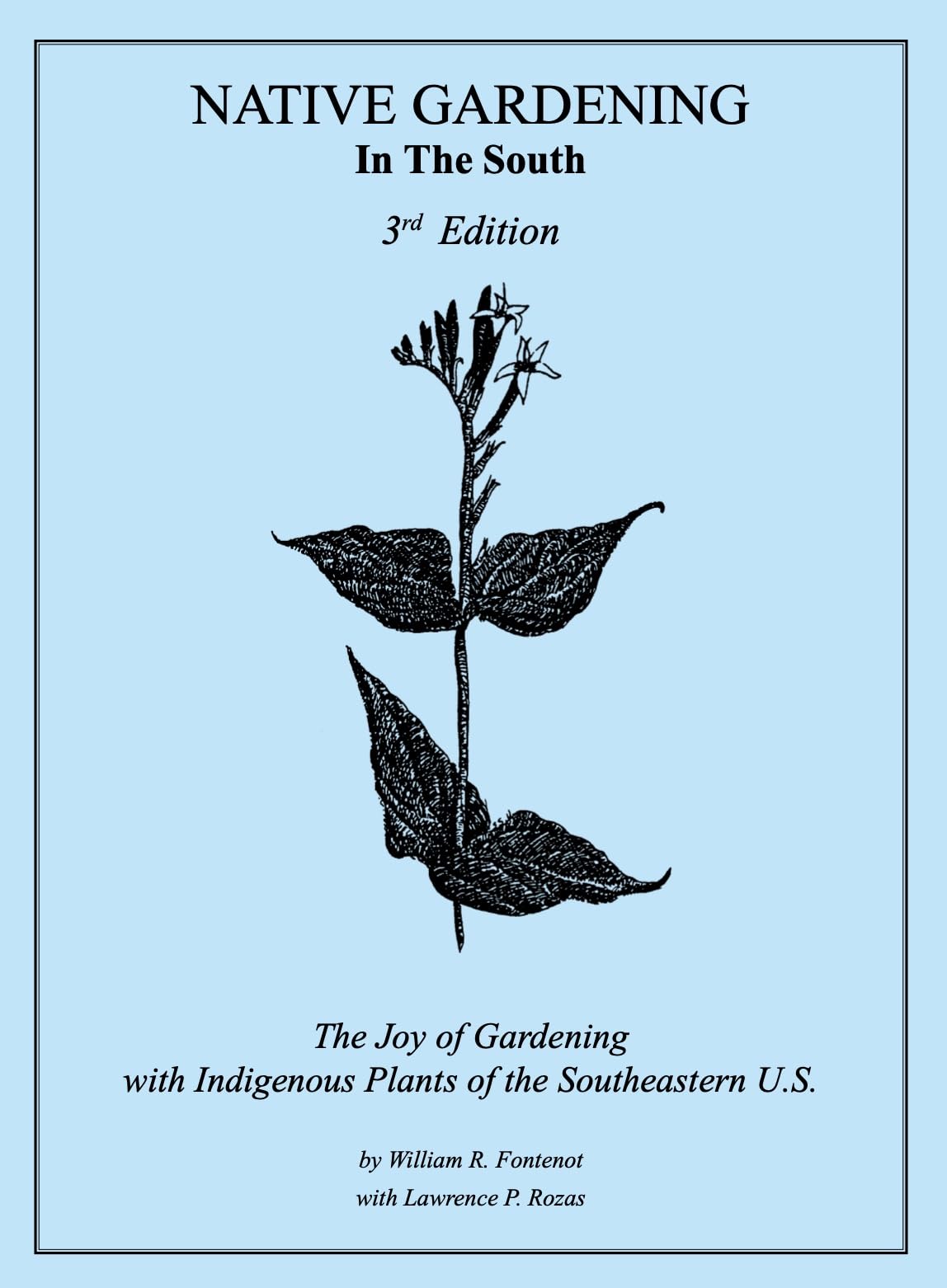
Native Gardening In The South: The Joy of Gardening with Indigenous Plants in the Southeastern U.S.
by William Fontenot
Sponsored
Synopsis
They say “Third time’s a charm”, and I do hope that is the case with this third edition of Native
Gardening in the South. So many new discoveries and game-changing events have occurred since
this book first came out in 1992, and I really felt compelled to produce a 3rd Edition based on ...
Gardening in the South. So many new discoveries and game-changing events have occurred since
this book first came out in 1992, and I really felt compelled to produce a 3rd Edition based on ...
They say “Third time’s a charm”, and I do hope that is the case with this third edition of Native
Gardening in the South. So many new discoveries and game-changing events have occurred since
this book first came out in 1992, and I really felt compelled to produce a 3rd Edition based on this
fact alone. I also wanted to do a more thorough job of presenting the information. I’m not exactly
sure of the number of plant species treated in this edition, but I’d guess it’s somewhere north of
500 -- substantially more than the 1st Edition’s 160. In fact, every part of this 3rd Edition has been
heavily beefed up.
Here we are 19 years after the publication of the 2nd Edition of this book, and so much has changed
in such a short time. Foremost has been the resurgence of interest in gardening with indigenous
plants, wrought almost single-handedly by University of Delaware entomology professor Doug
Tallamy and the publication of his two native-gardening-based books, Bringing Nature Home
(2007) followed by Nature’s Best Hope (2020). Both of these books were based on experimental
results that revealed the tight mutual connections and survival strategies existing between native
plants and wildlife – both of which are presently declining as humanity continues to look after its
own interests. So, Doug and his students are now proving what longtime native plant and wildlife
advocates have been speculating for many years prior. This speculation about the importance of
native plants began in the southeastern U.S. with Caroline Dormon and Elizabeth Lawrence in the
early twentieth century, and continued on in drips and drabs into the beginning of the twenty-first
century.
In my own life, this constitutes the Third Wave of native gardening interest here in eastern North
America. And now with the aid of the digital revolution and social media, certainly the biggest
wave. Today, people are actually planting wild plants all over the place, as opposed to merely
appreciating them and learning about them in their wild habitats, and merely looking on from the
sidelines at the tiny percentage of those who were growing, designing, and planting wild plants.
Today, it looks like we’ve finally got some traction.
You May Also Like

Unplugged: Adventures from MTV to Timbuktu
Tom Freston

Japanese from Zero! 1: Proven Techniques to Learn Japanese for Students and Professionals
George Trombley

Fireflies: A Poetry Collection
Amy K. Sorrells

The Roger Federer Effect: Rivals, Friends, Fans and How the Maestro Changed Their Lives
Simon Cambers

Creative Hustle: Blaze Your Own Path and Make Work That Matters (Stanford d.school Library)
Olatunde Sobomehin

Weird Scenes Inside the Canyon: Laurel Canyon, Covert Ops & the Dark Heart of the Hippie Dream
David McGowan
Philosophy Picks
View All
The Pivot Year
Brianna Wiest

The Awe of God: The Astounding Way a Healthy Fear of God Transforms Your Life
John Bevere

Stella Maris
Cormac McCarthy
Doppelganger: A Trip into the Mirror World
Naomi Klein

Beyond Order: 12 More Rules For Life
Jordan B. Peterson

Succede sempre qualcosa di meraviglioso
Gianluca Gotto
