
3
0
Support keeps this going.
If you find value here, a small tip makes a big difference ❤️
📍 Noticed
My Boy Will Die of Sorrow: A Memoir of Immigration From the Front Lines
by Efrén C. Olivares
Sponsored
Synopsis
This deeply personal perspective from a human rights lawyer—whose work on the front lines of the fight against family separations in South Texas intertwines with his own story of immigrating to the United States at thirteen—reframes the United States' history as a nation of immigrants ...
This deeply personal perspective from a human rights lawyer—whose work on the front lines of the fight against family separations in South Texas intertwines with his own story of immigrating to the United States at thirteen—reframes the United States' history as a nation of immigrants but also a nation against immigrants.
In the summer of 2018, Efrén C. Olivares found himself representing hundreds of immigrant families when Zero Tolerance separated thousands of children from their parents at the U.S.-Mexico border. Twenty-five years earlier, he had been separated from his own father for several years when he migrated to the U.S. to work. Their family was eventually reunited in Texas, where Efrén and his brother went to high school and learned a new language and culture.
By sharing these gripping family separation stories alongside his own, Olivares gives voice to immigrants who have been punished and silenced for seeking safety and opportunity. Through him we meet Mario and his daughter Oralia, Viviana and her son Sandro, Patricia and her son Alessandro, and many others. We see how the principles that ostensibly bind the U.S. together fall apart at its borders.
My Boy Will Die of Sorrow reflects on the immigrant experience then and now, on what separations do to families, and how the act of separation itself adds another layer to the immigrant identity. Our concern for fellow human beings who live at the margins of our society—at the border, literally and figuratively—is shaped by how we view ourselves in relation both to our fellow citizens and to immigrants. He discusses not only law and immigration policy in accessible terms, but also makes the case for how this hostility is nothing new: children were put in cages when coming through Ellis Island, and Japanese Americans were forcibly separated from their families and interned during WWII. By examining his personal story and the stories of the families he represents side by side, Olivares meaningfully engages readers with their assumptions about what nationhood means in America and challenges us to question our own empathy and compassion.
In the summer of 2018, Efrén C. Olivares found himself representing hundreds of immigrant families when Zero Tolerance separated thousands of children from their parents at the U.S.-Mexico border. Twenty-five years earlier, he had been separated from his own father for several years when he migrated to the U.S. to work. Their family was eventually reunited in Texas, where Efrén and his brother went to high school and learned a new language and culture.
By sharing these gripping family separation stories alongside his own, Olivares gives voice to immigrants who have been punished and silenced for seeking safety and opportunity. Through him we meet Mario and his daughter Oralia, Viviana and her son Sandro, Patricia and her son Alessandro, and many others. We see how the principles that ostensibly bind the U.S. together fall apart at its borders.
My Boy Will Die of Sorrow reflects on the immigrant experience then and now, on what separations do to families, and how the act of separation itself adds another layer to the immigrant identity. Our concern for fellow human beings who live at the margins of our society—at the border, literally and figuratively—is shaped by how we view ourselves in relation both to our fellow citizens and to immigrants. He discusses not only law and immigration policy in accessible terms, but also makes the case for how this hostility is nothing new: children were put in cages when coming through Ellis Island, and Japanese Americans were forcibly separated from their families and interned during WWII. By examining his personal story and the stories of the families he represents side by side, Olivares meaningfully engages readers with their assumptions about what nationhood means in America and challenges us to question our own empathy and compassion.
You May Also Like

State of Preservation, A First Family Novel (First Family Series)
Marie Force

The Poet: A Novel (Jack McEvoy Book 1)
Michael Connelly
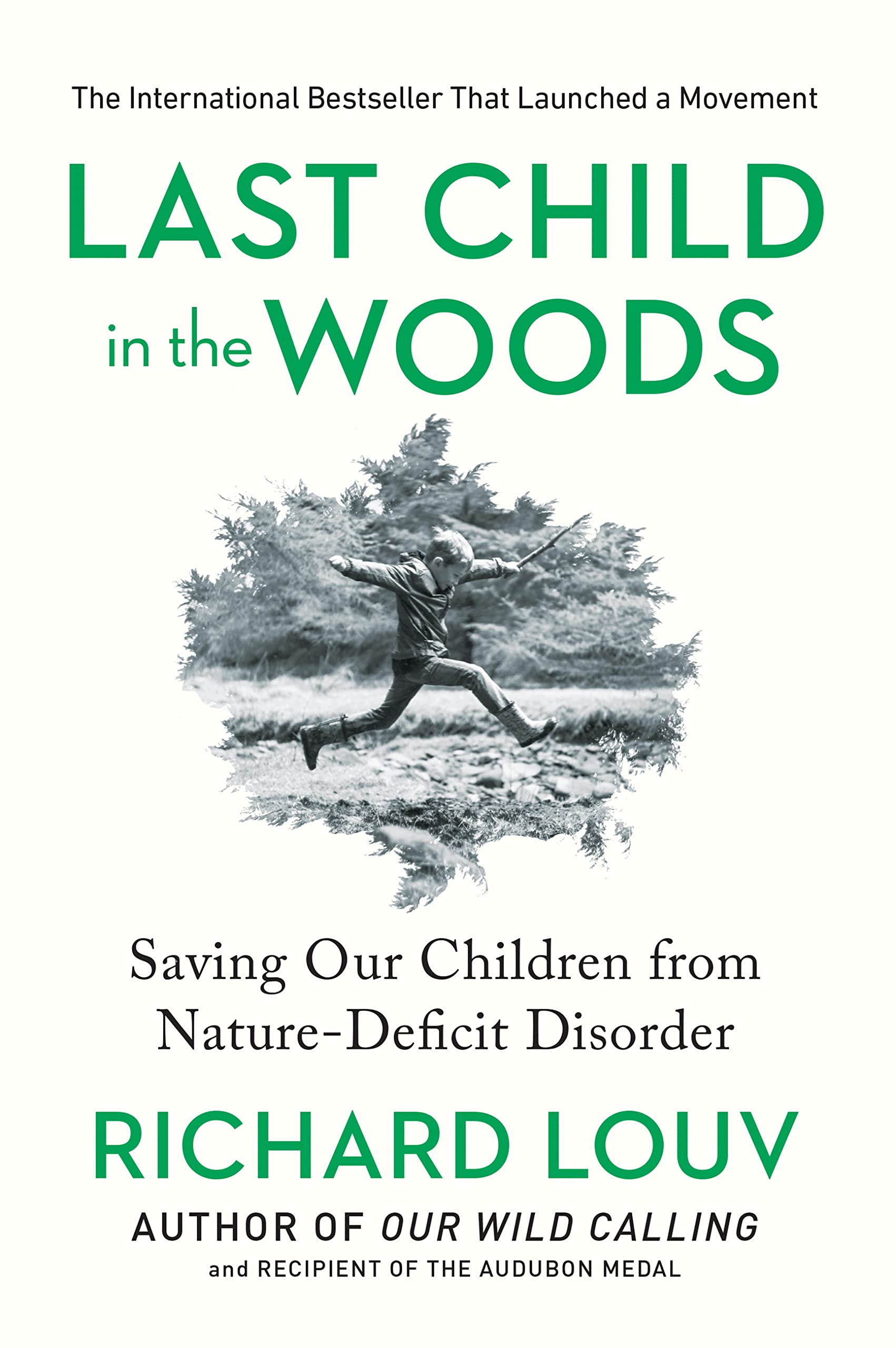
Last Child in the Woods: Saving Our Children From Nature-Deficit Disorder
Richard Louv
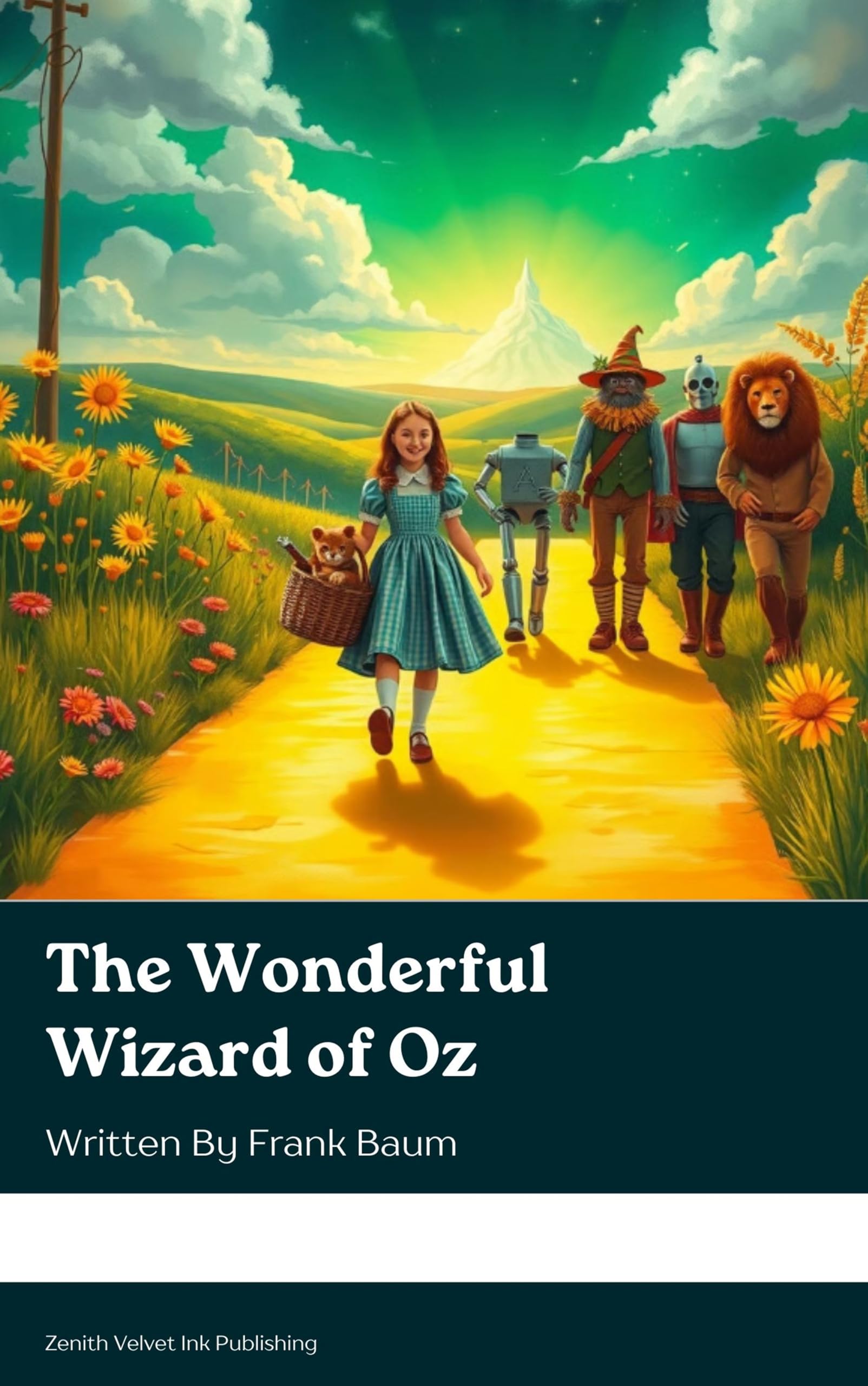
The Wonderful Wizard of Oz
Frank Baum

Naked
Raine Miller

It Came Upon a Midnight Tentacle
Kelex


![ガチアクタ 2 [Gachiakuta 2]](https://m.media-amazon.com/images/S/compressed.photo.goodreads.com/books/1662301234i/61344260.jpg)

![光が死んだ夏 6 [Hikaru ga Shinda Natsu 6]](https://m.media-amazon.com/images/S/compressed.photo.goodreads.com/books/1735828027i/223193103.jpg)
