
1
0
Support keeps this going.
If you find value here, a small tip makes a big difference ❤️
📍 Noticed
In the Land of Pain
by Alphonse Daudet
Sponsored
Synopsis
As Julian Barnes writes in the introduction to his superb translation of Alphonse Daudet’s La Doulou, the mostly forgotten writer nowadays ??ate at the top literary table” during his lifetime (1840–1897). Henry James described him as “the happiest novelist” and “the most charming ...
As Julian Barnes writes in the introduction to his superb translation of Alphonse Daudet’s La Doulou, the mostly forgotten writer nowadays ??ate at the top literary table” during his lifetime (1840–1897). Henry James described him as “the happiest novelist” and “the most charming story-teller” of his day. Yet if Daudet dined in the highest company, he was also “a member of a less enviable nineteenth-century French that of literary syphilitics.” In the Land of Pain —notes toward a book never written—is his timelessly resonant response to the disease.
In quick, sharp, unflinching strokes of his pen, Daudet wrote about his symptoms (“This is the one-man-band of pain”) and his treatments (“Mor-phine nights . . . thick black waves, sleepless on the surface of life, the void beneath”); about his fears and reflections (“Pain, you must be everything for me. Let me find in you all those foreign lands you will not let me visit. Be my philosophy, be my science”); his impressions of the patients, himself included, and their strange life at curative baths and spas (“Russians, both men and women, go into the baths naked . . . Alarm among the Southerners”); and about the “clever way in which death cuts us down, but makes it look like just a thinning-out.”
Given Barnes’s crystalline translation, these notes comprise a record—at once shattering and lighthearted, haunting and beguiling—of both the banal and the transformative experience of physical suffering, and a testament to the complex resiliency of the human spirit.
In quick, sharp, unflinching strokes of his pen, Daudet wrote about his symptoms (“This is the one-man-band of pain”) and his treatments (“Mor-phine nights . . . thick black waves, sleepless on the surface of life, the void beneath”); about his fears and reflections (“Pain, you must be everything for me. Let me find in you all those foreign lands you will not let me visit. Be my philosophy, be my science”); his impressions of the patients, himself included, and their strange life at curative baths and spas (“Russians, both men and women, go into the baths naked . . . Alarm among the Southerners”); and about the “clever way in which death cuts us down, but makes it look like just a thinning-out.”
Given Barnes’s crystalline translation, these notes comprise a record—at once shattering and lighthearted, haunting and beguiling—of both the banal and the transformative experience of physical suffering, and a testament to the complex resiliency of the human spirit.
You May Also Like

The Final Inch
Ross Patterson

How to Fake It in Hollywood
Ava Wilder

Thane's Demon: Princes of Afterlife
Stephanie Hudson

PostSecret: Extraordinary Confessions from Ordinary Lives
Frank Warren

Robert Bellarmine: Spiritual Writings (Classics of Western Spirituality)
Robert Bellarmine

The Absorbent Mind
Maria Montessori


Business Picks
View All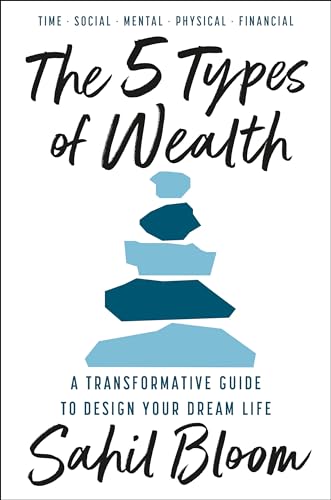
The 5 Types of Wealth: A Transformative Guide to Design Your Dream Life
Sahil Bloom

The Art of Being ALONE: Solitude Is My HOME, Loneliness Was My Cage
Renuka Gavrani

Revenge of the Tipping Point: Overstories Superspreaders and the Rise of Social Engineering
Malcolm Gladwell

Quit: The Power of Knowing When to Walk Away
Annie Duke

How to Win at Travel
Brian Kelly

The Haves and Have-Yachts: Dispatches on the Ultrarich
Evan Osnos
