0
0
Support keeps this going.
If you find value here, a small tip makes a big difference ❤️
📍 Noticed
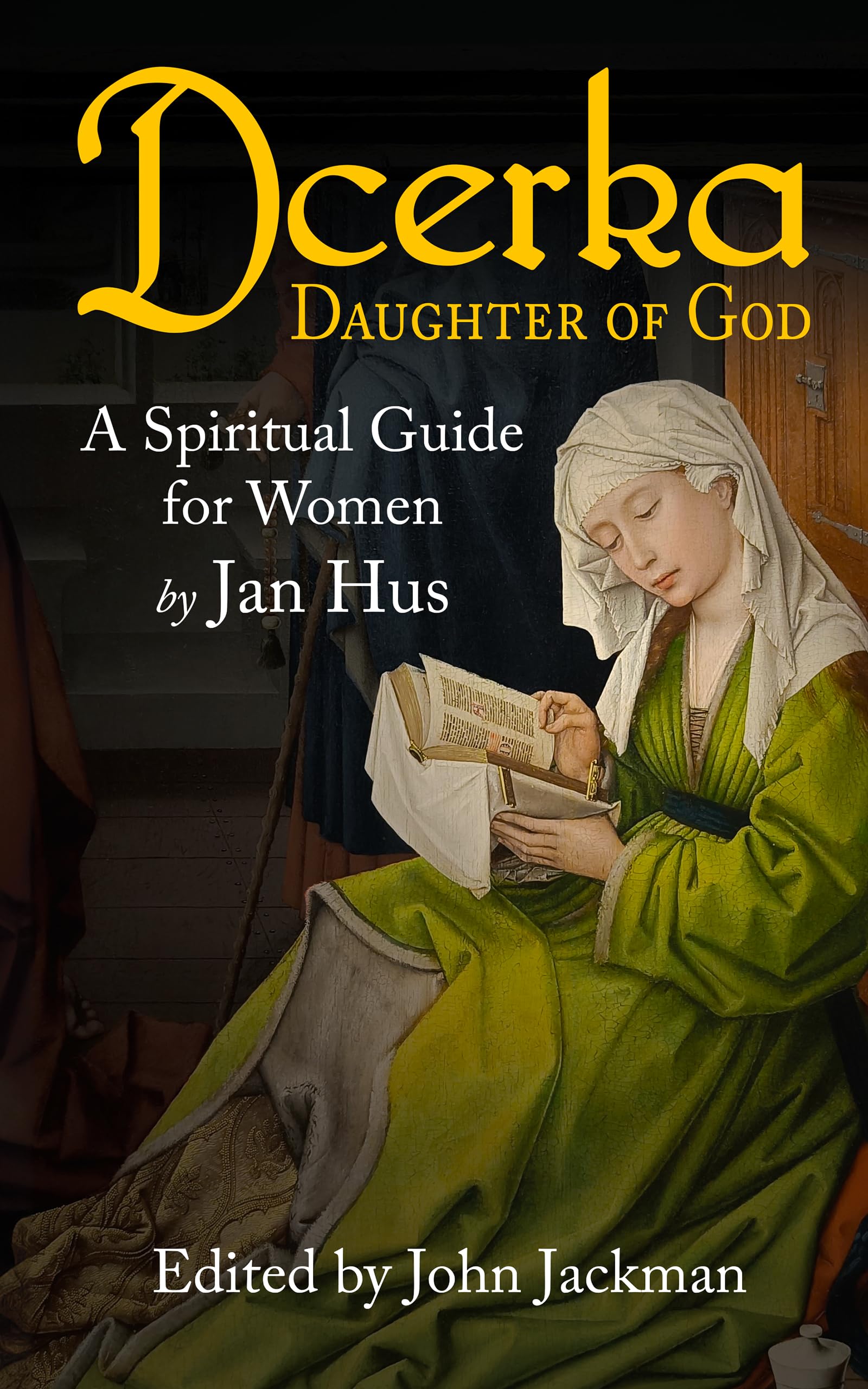
Dcerka: Daughter of God: A Spiritual Guide for Women
by Jan Hus
Sponsored
Synopsis
First English translation of a profound spiritual guide for women written in 1413 by the Czech reformer Jan Hus. Often compared to Thomas à Kempis' classic The Imitation of Christ, this guide was revolutionary in that it was a spiritual guide for women written by a major male reformer - and one ...
First English translation of a profound spiritual guide for women written in 1413 by the Czech reformer Jan Hus. Often compared to Thomas à Kempis' classic The Imitation of Christ, this guide was revolutionary in that it was a spiritual guide for women written by a major male reformer - and one which takes women's spirituality seriously in a manner completely countercultural for the time. Dr. Michèle Miller Sigg writes that in Dcerka, Hus "taught that men and women were equal, and that, as worthy members of God's economy, women were fully competent to contribute to the life of society or to any religious community." The spiritual guide was written specifically for the women of the Beguine community in Prague, a group of laywomen who were dedicated to serving the poor in an Apostolic fashion, independent of the Roman Catholic Church official orders.
In Dcerka: Daughter of God Hus addresses the women of the community as "daughters of God," who have an important role in the world and God's kingdom completely independent of child-bearing. Convinced that women could be more dedicated to spirituality than many men (including priests) of his day, Hus shares a well-rounded theological worldview that includes a healthy understanding of the self in relation to God. While deeply couched in medieval Catholic theology, the book has some fresh persepctives that can be meaningful for women today. Written in Czech, the book is not widely known because it has never before been available in English. A century before Martin Luther, Hus demanded reforms, and was declared to be an arch-heretic at the Council of Constance. He was burned at the stake in 1415, and his followers later formed the Unitas Fratrum, now known as the Moravian Church.
Dr. Thomas Fudge refers to Dcerka as ""a classic within the later medieval literature of Christian spirituality." Paul De Vooght refers to Dcerka as "a profession of faith, not a theological and abstract one, but one that is existential, warm, and communicative, from a man who is transmitting to his chosen audience his deep conviction regarding the meaning of life."
You May Also Like

The Other Black Girl
Zakiya Dalila Harris

Couples
John Updike

One Last Chance on Lake George (Book 3 Adirondack Nights)
C.K. Bloom

The Black Swan
Thomas Mann

Coloring Mandalas 2: For Balance, Harmony, and Spiritual Well-Being
Susanne F. Fincher
The Breathing Cure for Better Sleep: 7 Days to Quality Sleep Using the Buteyko Method
Patrick McKeown