3
0
Support the library.
Your support helps keep books free for everyone ❤️
📍 Noticed
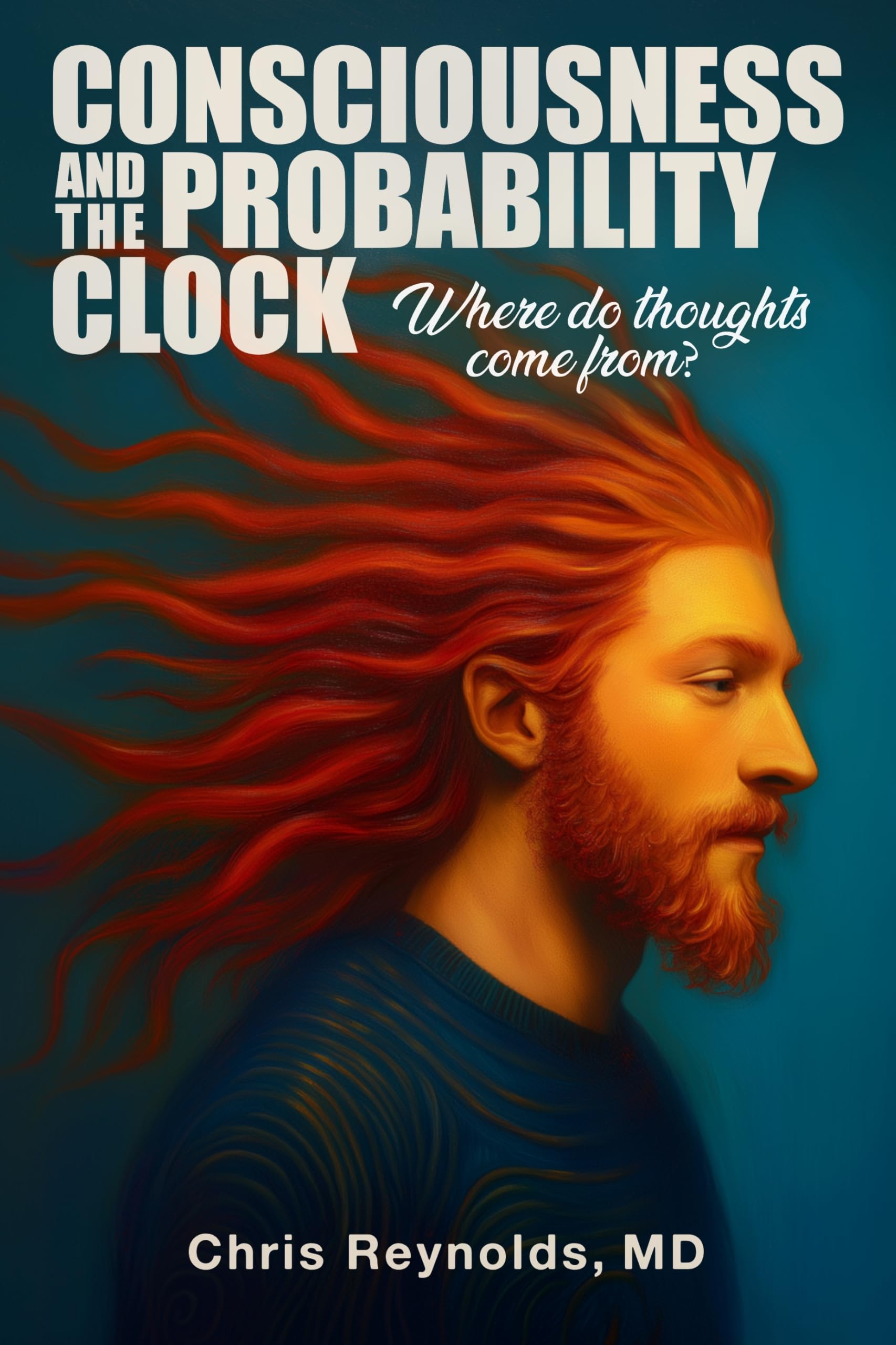
Consciousness and the Probability Clock: Where Do Thoughts Come From?
by Chris Reynolds
Sponsored
Synopsis
What if your thoughts don’t arise from a stream—but from a loop?
And what if that loop has been ticking inside your brain this whole time, quietly shaping your perception of time, self, and reality?
In this bold and interdisciplinary journey through neuroscience, theoretical physics, and ...
And what if that loop has been ticking inside your brain this whole time, quietly shaping your perception of time, self, and reality?
In this bold and interdisciplinary journey through neuroscience, theoretical physics, and ...
What if your thoughts don’t arise from a stream—but from a loop?
And what if that loop has been ticking inside your brain this whole time, quietly shaping your perception of time, self, and reality?
In this bold and interdisciplinary journey through neuroscience, theoretical physics, and artificial intelligence, neurologist Dr. Chris Reynolds proposes a revolutionary model of consciousness: the Probability Clock. At the heart of this model lies the thalamus—a central brain structure long known for relaying sensory input. But in Reynolds’ view, the thalamus does far more: it recursively filters, times, and shapes experience itself.
Through recursive loops and phase dynamics, the book explores how the brain may convert information into structured perceptual packets, generating a stable sense of the Current Moment. The model draws connections between Bayesian inference, entropy, quantum-like uncertainty, and the neurobiology of thought, memory, attention, and inner speech.
Blending clinical insight with vivid metaphors, Consciousness and the Probability Clock takes readers on a journey from Planck time to human cognition—linking micro and macro scales of intelligence, and even suggesting how AI might one day simulate (or never quite reach) this recursive spark of awareness.
Perfect for readers of Douglas Hofstadter, Karl Friston, Antonio Damasio, and Ray Kurzweil, this is both a scientific inquiry and a philosophical adventure—a collaborative exploration between a human mind and an AI assistant, asking the oldest question of all: Where do our thoughts come from?
You May Also Like

The Viscount’s Duty
Kristin Vayden
The Stolen Chase: A Chase Fulton Novel (Chase Fulton Novels Book 32)
Cap Daniels
A Guide to Thriving: The Science Behind Breaking Old Patterns, Reclaiming Your Agency, and Finding Meaning
Jon Rosemberg
Stop Look Go: A Grateful Practice Workbook and Gratitude JournalA Grateful Practice
David Steindl-Rast

PREVENTIVE MAINTENANCE FOR MOTORS
Kamal Maity

Vines (The Killers Book 1)
Brynne Asher
Cookbooks Picks
View All
Food to Die For: Recipes and Stories from America's Most Legendary Haunted Places
Amy Bruni

How To Make The Best Coffee At Home
James Hoffmann
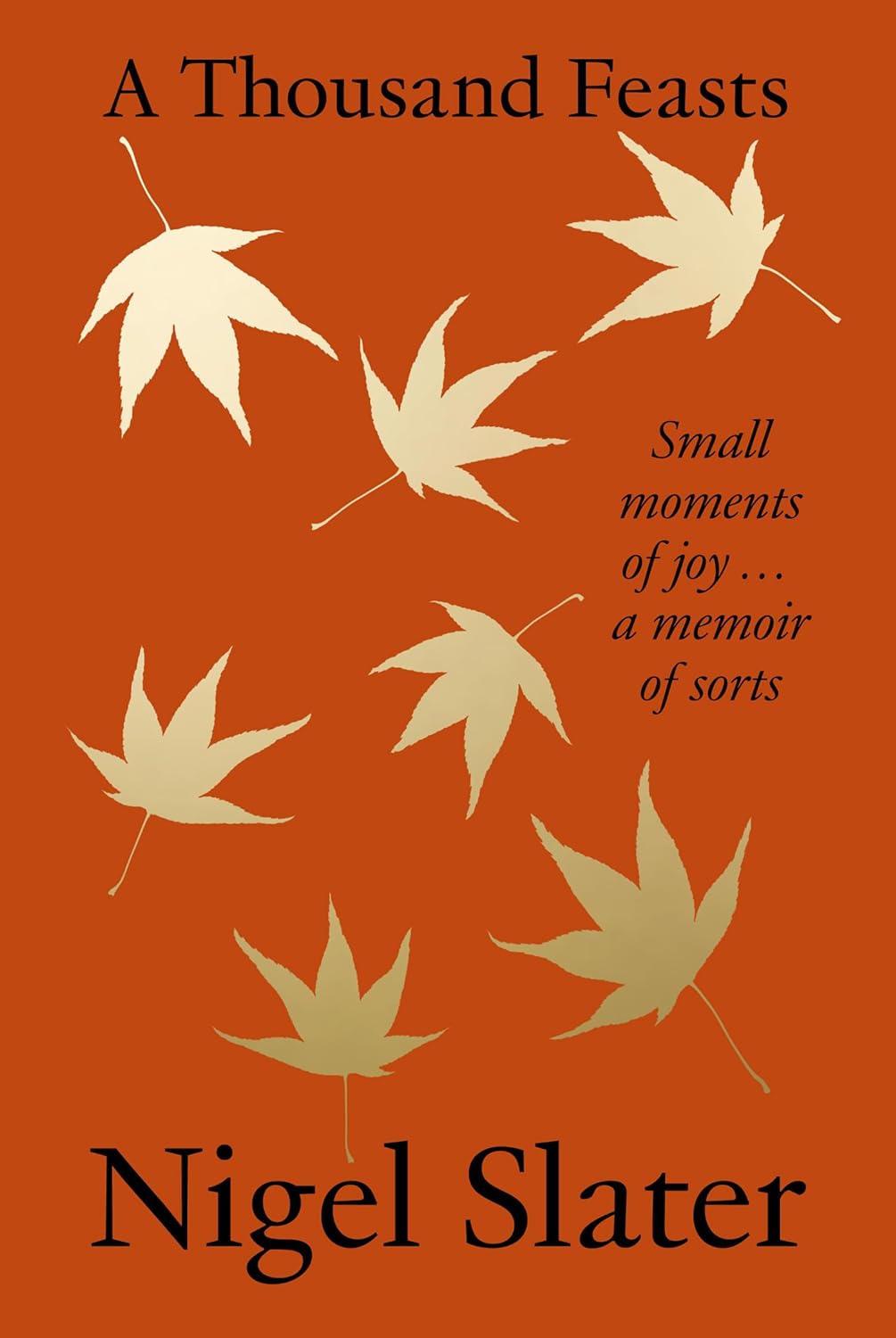
A Thousand Feasts: Small Moments of Joy… A Memoir of Sorts
Nigel Slater

We Are What We Eat: A Slow Food Manifesto
Alice Waters

What's Cooking in the Kremlin: From Rasputin to Putin, How Russia Built an Empire with a Knife and Fork
Witold Szabłowski

The Princess Bride Cookbook: The Official Cookbook
Jenn Fujikawa
