5
0
Support the library.
Your support helps keep books free for everyone ❤️
📍 Noticed
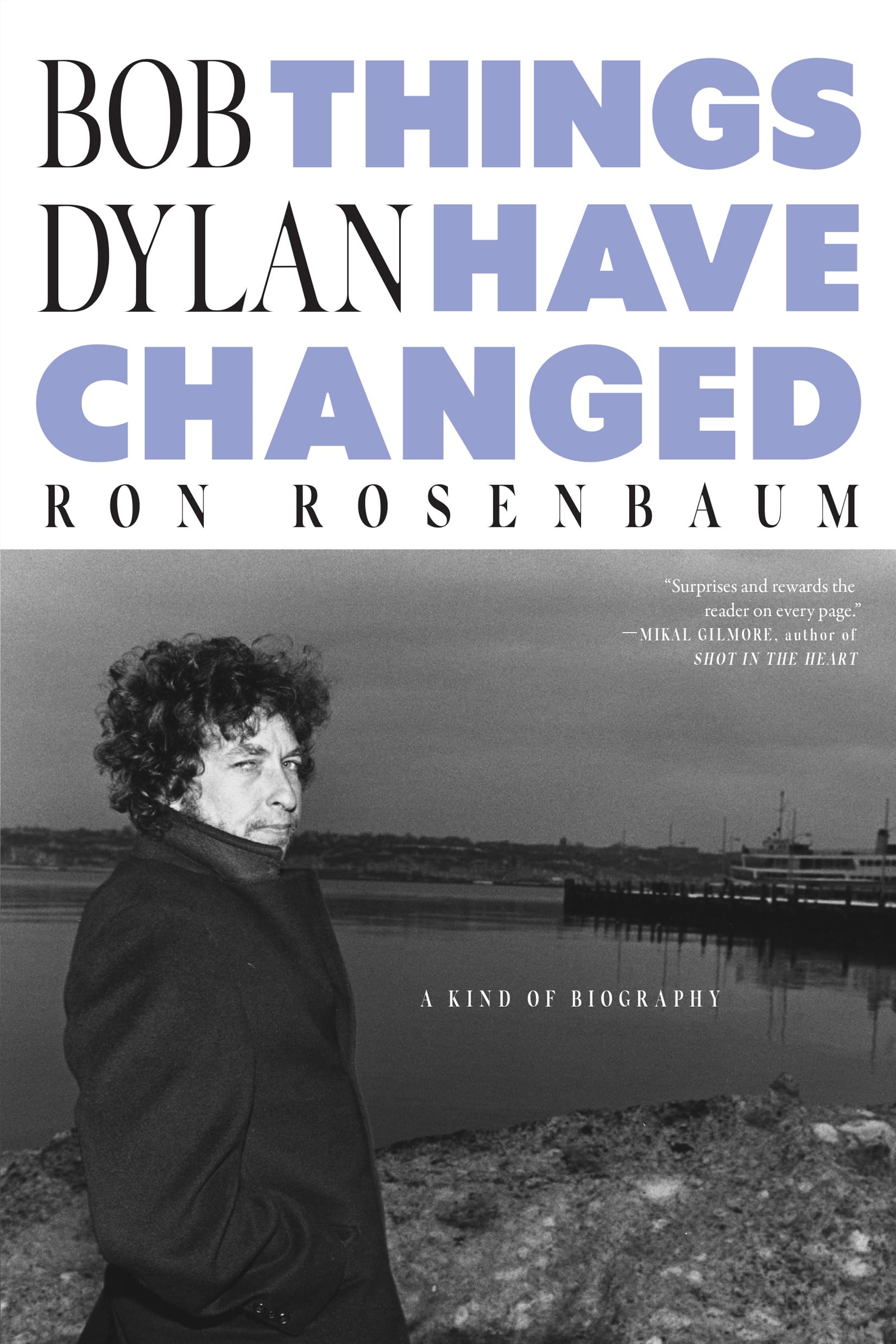
Bob Dylan: Things Have Changed
by Ron Rosenbaum
Sponsored
Synopsis
In the wake of the recent hit biopic A Complete Unknown, this probing appreciation asks: Do the lyrics of Bob Dylan tell the true story of the ever-changing, ever-radical life and career of the Nobel Prize-winning songwriter?
In a dingy windowless bungalow on the Warner Brothers back lot in ...
In a dingy windowless bungalow on the Warner Brothers back lot in ...
In the wake of the recent hit biopic A Complete Unknown, this probing appreciation asks: Do the lyrics of Bob Dylan tell the true story of the ever-changing, ever-radical life and career of the Nobel Prize-winning songwriter?
In a dingy windowless bungalow on the Warner Brothers back lot in Hollywood in 1977, in the midst of what may have been the longest interview he ever gave (it stretched over ten days), a chain-smoking Bob Dylan confessed to journalist Ron Rosenbaum that he was troubled by something missing from his music. Dylan — who was editing a dramatic movie based on his life, even as his life seemed to be falling apart — told Rosenbaum there was a sound he was after that he’d only come close to on one record so far. The sound, he told Rosenbaum, was of “thin, wild mercury.”
This is a book that captures the elusive mercurial artist and his work in a way no other has — a vivid, compelling pursuit of Dylan, successively a hipster folkie, a Greenwich Village sparkplug of a cultural revolution, who plugged into an amplifier to drive away folkie solemnity, then became a countrified crooner, the man who, just months after Rosenbaum’s interview, became a fire-breathing, proselytizing Christian . . . before returning to being a non-religious Jew.
What was behind it all, Rosenbaum asks, and how can we understand him through his lyrics? Tracing it from Dylan’s childhood — when his father hired a Brooklyn rabbi to come to remote Minnesota to prepare his son for his bar mitzvah — through the still touring singer’s late, often inscrutable lyrics, Rosenbaum probes Dylan’s “argument with God,” his differentiation between authenticity and sincerity, and his relentless heretical stances.
Of course, complicating matters for anyone trying to trace the development of Dylan and his life’s work is Dylan’s recurrent denial of the continuity of self. (Whenever asked why he doesn’t sing the old songs the same way as on the record, Dylan typically responds with an irritated, “That’s not me.”)
Ron Rosenbaum has covered Dylan for almost the entirety of his — and Dylan’s — career, starting as a Village Voice culture reporter in 1969. In this deeply personal and literary appreciation, and as Dylan continues to tour and compose new songs, still refusing to play old songs the old way, Rosenbaum offers a moving and involving portrait of an icon who may have been more constant than it appeared after all.
You May Also Like
It Must Not Be Love: A Billionaire Boss Workplace Romantic Comedy Novella (Last Billionaire Standing)
Kenzie Bloom

David Foster Wallace's Infinite Jest: A Reader's Guide
Stephen J. Burn

Pushing Brilliance (Kyle Achilles, #1)
Tim Tigner
Don't Start a Side Hustle!: Work Less, Earn More, and Live Free
Brian Page
Mason & Dixon
Thomas Pynchon
HOW TO PAINT WITH OIL PASTELS: Master Techniques for Vibrant Colors, Smooth Blends, and Stunning Artwork
Edward C. Gledhill

![나 혼자만 레벨업 9 [Na Honjaman Level Up 9]](https://m.media-amazon.com/images/S/compressed.photo.goodreads.com/books/1692032563i/196790145.jpg)


