
6
0
Support the library.
Your support helps keep books free for everyone ❤️
📍 Noticed
A Grief Observed
by C.S. Lewis
Sponsored
Synopsis
Written with love, humility, and faith, this brief but poignant volume was first published in 1961 and concerns the death of C. S. Lewis's wife, the American-born poet Joy Davidman. In her introduction to this new edition, Madeleine L'Engle writes: "I am grateful to Lewis for having the courage to ...
Written with love, humility, and faith, this brief but poignant volume was first published in 1961 and concerns the death of C. S. Lewis's wife, the American-born poet Joy Davidman. In her introduction to this new edition, Madeleine L'Engle writes: "I am grateful to Lewis for having the courage to yell, to doubt, to kick at God in angry violence. This is a part of a healthy grief which is not often encouraged. It is helpful indeed that C. S. Lewis, who has been such a successful apologist for Christianity, should have the courage to admit doubt about what he has so superbly proclaimed. It gives us permission to admit our own doubts, our own angers and anguishes, and to know that they are part of the soul's growth."
Written in longhand in notebooks that Lewis found in his home, A Grief Observed probes the "mad midnight moments" of Lewis's mourning and loss, moments in which he questioned what he had previously believed about life and death, marriage, and even God. Indecision and self-pity assailed Lewis. "We are under the harrow and can't escape," he writes. "I know that the thing I want is exactly the thing I can never get. The old life, the jokes, the drinks, the arguments, the lovemaking, the tiny, heartbreaking commonplace." Writing A Grief Observed as "a defense against total collapse, a safety valve," he came to recognize that "bereavement is a universal and integral part of our experience of love."
Lewis writes his statement of faith with precision, humor, and grace. Yet neither is Lewis reluctant to confess his continuing doubts and his awareness of his own human frailty. This is precisely the quality which suggests that A Grief Observed may become "among the great devotional books of our age."
Written in longhand in notebooks that Lewis found in his home, A Grief Observed probes the "mad midnight moments" of Lewis's mourning and loss, moments in which he questioned what he had previously believed about life and death, marriage, and even God. Indecision and self-pity assailed Lewis. "We are under the harrow and can't escape," he writes. "I know that the thing I want is exactly the thing I can never get. The old life, the jokes, the drinks, the arguments, the lovemaking, the tiny, heartbreaking commonplace." Writing A Grief Observed as "a defense against total collapse, a safety valve," he came to recognize that "bereavement is a universal and integral part of our experience of love."
Lewis writes his statement of faith with precision, humor, and grace. Yet neither is Lewis reluctant to confess his continuing doubts and his awareness of his own human frailty. This is precisely the quality which suggests that A Grief Observed may become "among the great devotional books of our age."
You May Also Like
Mercy (Salacious Players' Club, #4)
Sara Cate

In the Flesh
Clive Barker
When a Crocodile Eats the Sun: A Memoir of Africa
Peter Godwin

Hiding from the School Bus: Breaking Free from Control, Fear, Isolation and a Childhood without Education
Calvin Bagley

Rejected by the Alpha Quarterback: A Forbidden Secret Baby Second Chance Alpha Sports Romance
Jasmine Fox
Jesus, Our True Friend: Stories to Fill Your Heart With Joy (The Story of God’s Great Love)
Sally Lloyd-Jones
Self Help Picks
View All
Slow Productivity: The Lost Art of Accomplishment Without Burnout
Cal Newport

The Gifts of Imperfection
Brené Brown

The Sirens' Call: How Attention Became the World's Most Endangered Resource
Christopher L. Hayes

The Power of Habit: Why We Do What We Do in Life and Business
Charles Duhigg
Toxic Empathy: How Progressives Exploit Christian Compassion
Allie Beth Stuckey
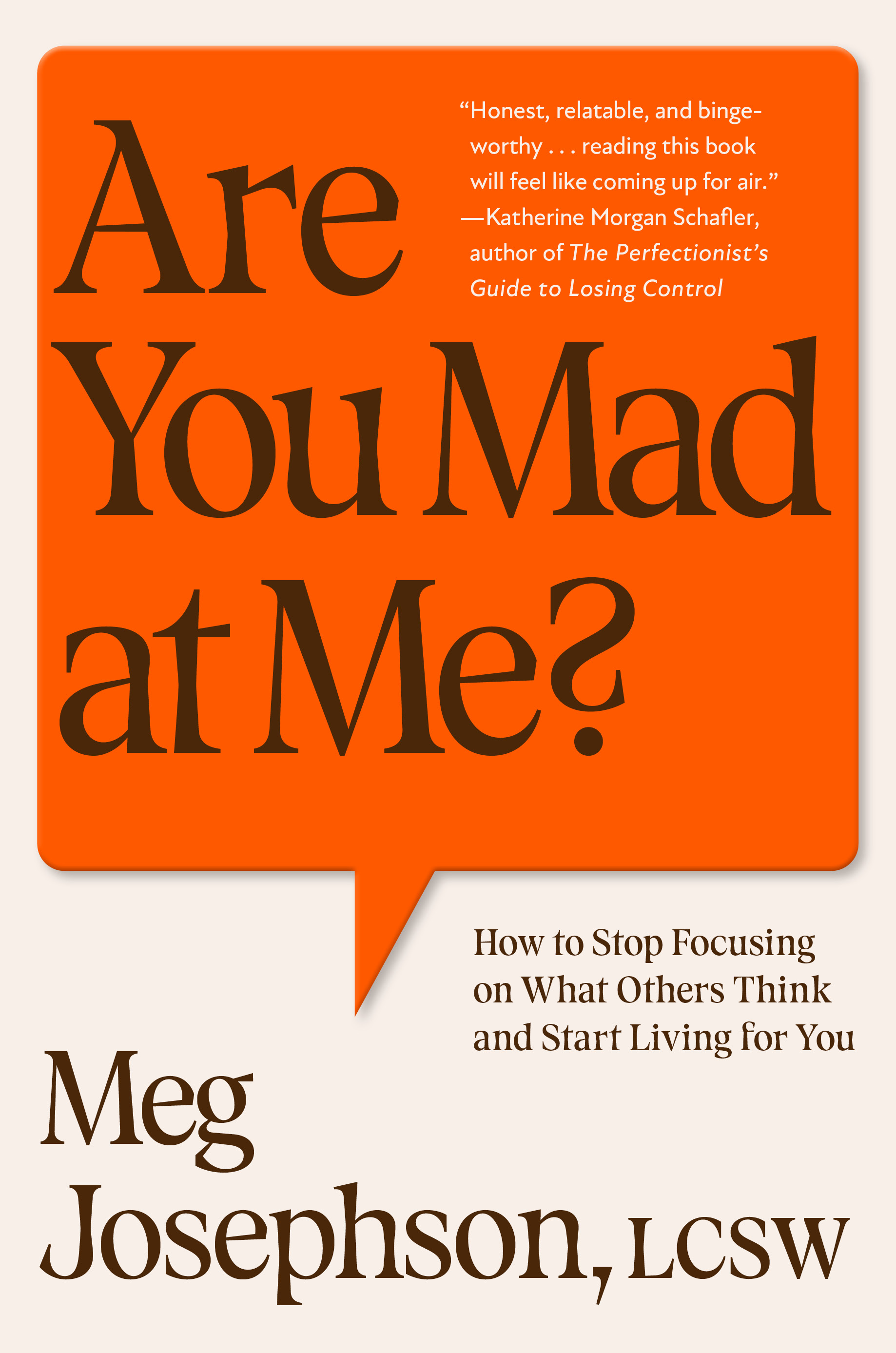
Are You Mad at Me?: How to Stop Focusing on What Others Think and Start Living for You
Meg Josephson
